
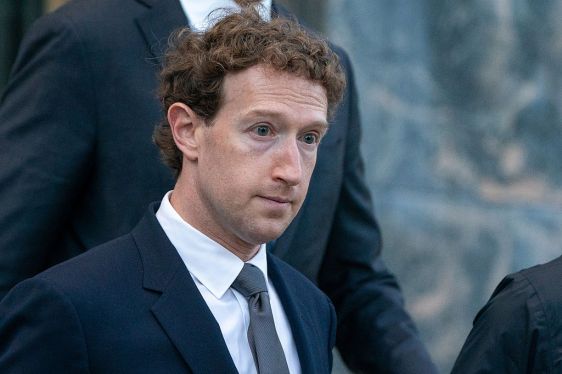
Meta CEO Mark Zuckerberg testified in court this week in a landmark trial that seeks to determine whether the company’s social media platforms are addictive and harmful to young people. The trial is taking place in Los Angeles Superior Court.
Internal research from Meta presented at the trial indicated that parental supervision tools are ineffective at preventing compulsive social media use among teenagers. The research also found that teens who experienced traumatic life events were even more likely to overuse these platforms.
The plaintiff, a 20-year-old woman identified by her initials KGM, questioned Zuckerberg about whether Instagram employees were given specific goals to increase daily user engagement. While Zuckerberg had previously told Congress this was not the case, a 2015 email chain entered as evidence showed him pushing for a 12% increase in time users spent in the app.
Zuckerberg was also questioned about Instagram’s beauty filters. Meta’s own experts had recommended these filters be banned for teen users due to potential harms. Additionally, internal documents revealed Meta’s estimates of underage users on Instagram. A 2018 document stated that, as of 2015, approximately 4 million children under the age of 13 had Instagram accounts. This included an estimated 30% of all children aged 10 to 12 in the United States.
In response to questions about underage users, Zuckerberg stated that age verification is a difficult challenge. He suggested that smartphone manufacturers, like Apple, could provide more effective solutions on this front.
Observers in the courtroom noted that Zuckerberg largely adhered to the company’s prepared statements during his testimony. He repeatedly asserted that the plaintiff’s lawyers were taking documents out of context or mischaracterizing their meaning.
The plaintiff, who also goes by her first name Kaley, is suing four social media companies, alleging their platforms are inherently harmful and addictive. Both TikTok and Snap settled their portions of the lawsuit before the trial began, leaving YouTube and Meta to defend their apps in court.
Meta’s legal team has argued that Kaley’s mental health struggles stem from a difficult childhood, not from her use of social media. The outcome of this jury trial could have significant consequences, potentially leading to major tech industry reforms, new laws and regulations, and settlements for victims if the companies are found liable.