
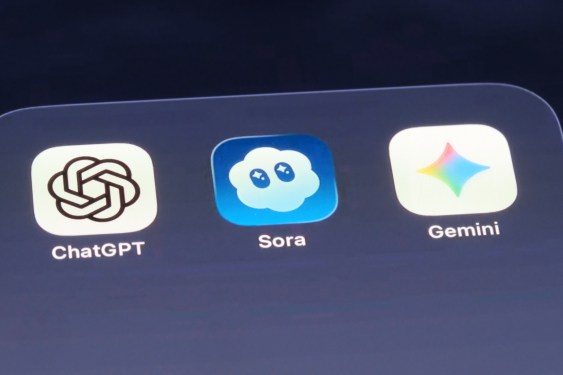
OpenAI’s decision last week to shut down Sora, its AI video-generation tool, just six months after releasing it to the public raised immediate suspicions. The app had invited users to upload their own faces, so many wondered if this was some kind of elaborate data grab. According to a new investigation, the real explanation is considerably more mundane. Sora was a financial drain that nobody was using, and keeping it operational was costing OpenAI its competitive edge in the AI race.
So what happened? After a splashy launch, Sora’s worldwide user count peaked at around one million and then collapsed to fewer than five hundred thousand. Meanwhile, the app was burning through roughly one million dollars per day. This was not because of overwhelming popularity, but because video generation is exceptionally costly to run. Every user who inserted themselves into a fantastical scene was consuming a finite and expensive supply of AI computing power.
While a whole team inside OpenAI was focused on making Sora work, competitor Anthropic was quietly winning over the software engineers and enterprises that drive sustainable revenue. Claude Code, in particular, was gaining significant ground.
So CEO Sam Altman made the call: terminate Sora, free up critical computing resources, and refocus the company’s efforts. The suddenness of this move is underscored by what happened to Disney. According to reports, the entertainment giant had committed one billion dollars to a partnership with OpenAI for Sora, yet found out the tool was being shut down less than an hour before the public announcement. The deal died alongside the product.