
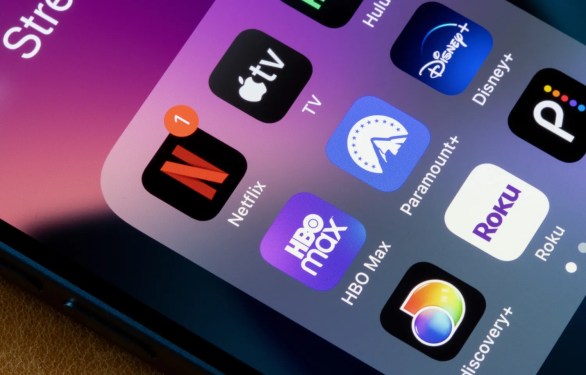
If you thought 2025 couldn’t get any crazier, the streaming world had one more surprise up its sleeve before the year ended. Netflix, already the largest streaming platform with over 325 million subscribers, took a bold step by acquiring Warner Bros. film and television studios, along with HBO, HBO Max, and other assets. The deal, announced in early December, will bring together some of the most legendary franchises, such as Game of Thrones, Harry Potter, and DC Comics properties, all under one roof.
The scale of this megadeal has stunned industry observers. Not only is it historic in its size, but it is also predicted to disrupt Hollywood as we know it. Here is a breakdown of what’s happening with the Netflix and Warner Bros. Discovery deal, including the latest developments, what’s at stake, and what could come next.
This all started back in October when Warner Bros. Discovery revealed it was exploring a potential sale after receiving unsolicited interest from several major players in the industry. For years, the company has struggled under the weight of billions of dollars in debt, compounded by declining cable viewership and fierce competition from streaming platforms. These financial pressures forced the company to consider major strategic changes, including selling its entertainment assets to a rival.
The bidding process quickly became competitive. Several major players saw the potential in acquiring the media giant. Paramount and Comcast emerged as serious contenders, with Paramount initially viewed as the frontrunner. But ultimately, Warner Bros. Discovery’s board determined that Netflix’s offer was the most attractive, despite Paramount offering approximately 108 billion dollars in cash. Paramount’s bid aimed to acquire the entire company, while Netflix’s offer focused specifically on the film, television, and streaming assets. Netflix recently amended its agreement to an all-cash offer, further reassuring investors and paving the way for the deal to proceed. The deal is valued at approximately 82.7 billion dollars.
Even after Netflix emerged as the preferred buyer, tensions with Paramount remained high, as the rival company continued to pursue Warner Bros. assets. Paramount persisted in its attempts to acquire Warner Bros. Discovery for several months. Still, the board repeatedly rejected its offers, citing concerns about Paramount’s heavy debt load and the increased risk associated with its proposal. The board noted that Paramount’s offer would have left the combined company burdened with 87 billion dollars in debt, a risk they were unwilling to take. Last week, Paramount filed a lawsuit seeking more information about the Netflix deal. The company continues to assert that its offer is far superior.
Given the unprecedented scale and market impact of the deal, regulatory scrutiny is intense and remains a significant obstacle to closing the transaction. Earlier this week, it was reported that Netflix co-CEO Ted Sarandos is scheduled to testify before a U.S. Senate committee about the deal, a move that highlights just how seriously lawmakers are taking these concerns. In November, prominent lawmakers voiced their concerns to the Justice Department’s Antitrust Division, warning that such a massive merger could have serious consequences for consumers and the industry at large. The senators argue that the merger could give the new media giant excessive market power, enabling it to raise prices and stifle competition. Should regulators block the acquisition, Netflix would be obligated to pay a 5.8 billion dollar breakup fee. It remains unclear whether Warner Bros. would remain an independent company or revisit previous acquisition proposals.
Reactions from the entertainment industry have been largely negative. The Writers Guild of America has been among the most vocal critics, demanding that the merger be blocked on antitrust grounds. Additionally, insiders worry that the acquisition will squeeze independent creators and diverse voices out of the spotlight, ultimately narrowing the range of stories that get told. There are also widespread concerns about potential job losses and lower wages. For creators and theaters, uncertainty remains around release windows. Netflix co-CEO Ted Sarandos has stated that all films planned for theatrical release through Warner Bros. will continue as scheduled. However, he also hinted that, over time, release windows may be shortened, with movies coming to streaming platforms sooner than before.
What does all this mean if you are a Netflix or HBO Max subscriber? Netflix executives have reassured viewers that HBO’s operations will remain largely unchanged in the near term. At this stage, the company says it is too early to make any definitive announcements about potential bundles or app integration. Regarding pricing, Sarandos has stated that no immediate changes will occur during the regulatory approval period. However, subscribers should be aware that Netflix has historically raised subscription prices regularly, so price increases are possible once the acquisition is finalized. Netflix tends to hike its rates every year or two.
The Netflix and Warner Bros. Discovery deal is not yet final. A Warner Bros. Discovery stockholder vote is expected around April, with the deal anticipated to close 12 to 18 months after that vote. However, regulatory approvals are still pending, and scrutiny could shape the final outcome.