
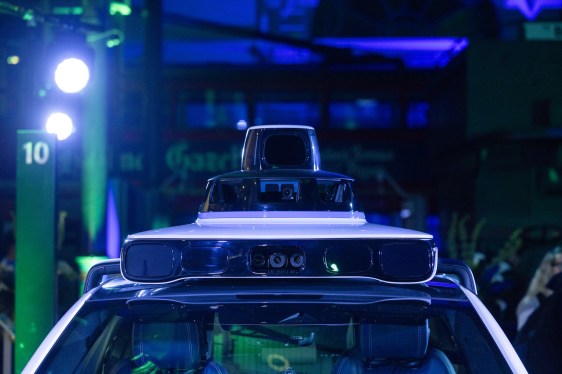
Waymo is now providing 500,000 paid robotaxi rides every week across ten U.S. cities. This impressive figure highlights the Alphabet-owned company’s accelerated commercial expansion. However, the more compelling story is Waymo’s rapid rate of growth in both ridership and market reach.
In less than two years, the company’s average weekly paid robotaxi trips have grown tenfold, from 50,000 per week in May 2024 to 500,000 per week today. Over that same period, Waymo has expanded within its initial markets of Phoenix, San Francisco, and Los Angeles, and launched in seven new Sun Belt cities: Austin, Atlanta, Miami, Dallas, Houston, San Antonio, and Orlando. All seven of these new cities were added in just the past year.
Waymo’s robotaxi fleet has also grown, though the company guards specific numbers. Data provided to the National Highway Traffic Safety Administration in December 2025 showed the company had 3,067 robotaxis equipped with its fifth-generation self-driving system. The company still uses that “over 3,000” fleet number today. This could soon change with the introduction of its sixth-generation self-driving system, which will debut on the Zeekr minivan, known as the Ojai, and the Hyundai Ioniq 5.
The relatively steady fleet size, combined with the growth in weekly paid rides, suggests Waymo is achieving higher utilization from each vehicle. This efficiency is crucial, as empty robotaxis roaming cities do not generate revenue and can contribute to traffic congestion.
This growth does come with challenges. Waymo has faced increased scrutiny from the public and regulators in recent months. For instance, the National Highway Traffic Safety Administration and the National Transportation Safety Board are investigating reports of Waymo robotaxis illegally passing school buses. Meanwhile, San Francisco city officials have raised concerns about how the company handles stuck vehicles, including its occasional use of police and firefighters to clear them.
Waymo’s ridership numbers are still a small fraction of Uber’s human-driven ride-hailing business. Uber completed approximately 13.5 billion trips in 2025, a figure that includes both ride-hailing and delivery. During an earnings call in August 2024, Uber stated it was completing more than one million mobility trips per hour. In other words, Waymo is not yet a direct threat to Uber’s scale.
Still, with each month, Waymo’s lead in the robotaxi sector grows wider. A number of companies are competing for a share of the robotaxi market, though many have yet to launch a fully autonomous, fee-charging service. Some Chinese robotaxi companies, like Pony.ai and WeRide, charge for rides but do not operate in the United States.
Tesla began a paid robotaxi service in Austin in January, and while CEO Elon Musk has discussed launching a fully autonomous service in California, the company currently lacks the required permits. Other companies, including Avride, Hyundai-owned Motional, and Zoox, are all pushing to launch paid robotaxi services in various markets by the end of the year. They all have significant ground to cover to catch up to Waymo’s current operations.