
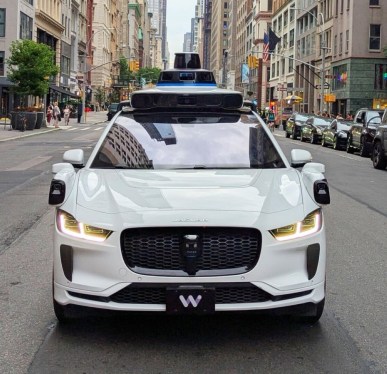
Waymo is shipping a software update to help its robotaxis navigate disabled traffic lights during power outages more decisively. The company explained the update in response to its self-driving vehicles getting stuck at intersections during a blackout in San Francisco this past weekend.
Waymo stated that its self-driving system is designed to treat dead stop lights as four-way stops, similar to how human drivers are supposed to. This should have allowed the robotaxis to operate normally despite the massive outage. Instead, many vehicles requested a confirmation check from Waymo’s fleet response team to verify their actions. All Waymo robotaxis can make these confirmation requests. With such a widespread outage on Saturday, there was a concentrated spike in these requests, which contributed to the congestion seen in videos.
Waymo built this confirmation request system out of an abundance of caution during its early deployment but is now refining it to match its current scale. While this strategy was effective during smaller outages, the company is now implementing fleet-wide updates that provide the self-driving software with specific power outage context, allowing it to navigate more decisively.
The software update will add even more context about regional outages to the company’s self-driving software. Waymo also said it will improve its emergency response protocols by incorporating lessons from this event.
While much focus has been placed on instances where Waymo’s robotaxis got stuck during the power outage, the company shared that its vehicles successfully traversed more than 7,000 dark signals on Saturday. Navigating an event of this magnitude presented a unique challenge for autonomous technology.
Saturday’s situation is the latest example of how Waymo is still uncovering unforeseen issues with its software and its approach to designing a reliable fleet of self-driving vehicles. The company has previously had to issue multiple software updates to make its robotaxis wait for stopped school buses, which prompted a National Highway Traffic Safety Administration investigation and led to a recall.