
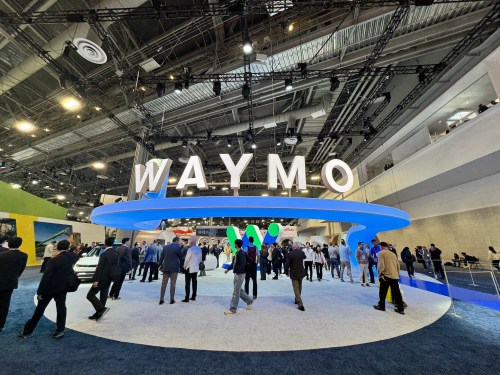
Waymo robotaxis are now available to the public in Miami. The company announced on Thursday that it will first open the service to the nearly 10,000 local residents on its waitlist. Once approved, those riders can hail a driverless taxi within a 60-square-mile area covering neighborhoods including the Design District, Wynwood, Brickell, and Coral Gables.
Waymo stated it intends to expand service to Miami International Airport soon, though a specific timeline was not provided. The company has been preparing for this commercial launch for months. After mapping and testing its autonomous vehicles on Miami’s public roads, Waymo removed the safety operators from its fleet in November, initially offering the driverless service to employees.
This phased approach is a standard part of Waymo’s launch strategy. The company first opened its robotaxis to the general public in Phoenix in 2020, later expanding to San Francisco and Los Angeles. As it grew in those metro areas, it also entered new markets. In spring 2025, Waymo launched a robotaxi service in partnership with Uber in Atlanta and Austin, and expanded its service in existing cities to include freeway travel.
Waymo has an aggressive plan to bring its robotaxi service to nearly a dozen more cities within the next year. The planned expansion includes Dallas, Denver, Detroit, Houston, Las Vegas, Nashville, London, San Diego, Seattle, and Washington, D.C. The company has already begun testing in some of these cities using its all-electric Jaguar I-Pace vehicles and newer Zeekr RT vans.
Waymo co-CEO Tekedra Mawakana said in an interview last October that the company aims to be offering one million trips per week by the end of 2026.
This expansion has not been without challenges. Residents in cities like San Francisco have recorded videos of Waymo vehicles creating traffic jams, including during a widespread power outage in December. The company has also drawn the attention of federal safety regulators.
The National Highway Traffic Safety Administration’s Office of Defects Investigation opened an initial probe into Waymo last October following reports of its robotaxis improperly operating around stopped school buses in Atlanta. School officials in Austin have also submitted video and complaints showing Waymo vehicles passing school buses while their lights were flashing and stop signs were deployed.
Waymo issued a voluntary software recall to address the issue. However, newly surfaced videos that show Waymo vehicles illegally passing school buses suggest the problem may not yet be fully resolved.