
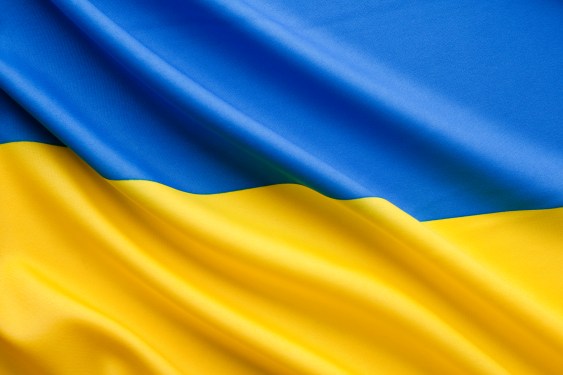
When the edtech company Preply achieved unicorn status earlier this year, employees in its Kyiv office celebrated with cake. That simple act of normalcy is a powerful statement in the middle of a war. In the four years since Russia’s full-scale invasion of their country, Ukrainian startups have done more than just survive. They are actively building and growing.
Preply, for instance, will use the proceeds from its latest funding round to hire approximately one hundred engineers across its global teams. This includes significant growth in Ukraine, where one-third of its engineering staff is already based.
While defense technology has captured much of the attention for the speed at which innovations reach the battlefield, the same engineering talent and ingenuity are becoming a common denominator across other sectors that contribute to strengthening Ukraine. The country faces a far larger attacker and takes a strict view of efforts to escape mobilization. However, startups can be granted a special status that shields key employees from the draft if their work is deemed vital to the nation.
Aspichi is one such company. Originally founded in the United States in 2021, it completely pivoted when the war began. It is now best known for Luminify, a mixed-reality platform for mental health care that helps Ukrainians cope with wartime trauma. The startup collaborates directly with military units and a dozen clinics providing mental health support to the general population. The need is vast, encompassing soldiers, veterans, bereaved families, and millions displaced within the country or abroad. Even for those who have remained in Kyiv, the psychological toll is profound.
The founder of Aspichi, Victor Samoilenko, shared a personal perspective, noting that his daughter has celebrated several New Year’s and Christmas holidays in underground shelters, illustrating the enormous effect of the war on daily life.
This winter, marked by near-daily attacks on the power grid, has forced adaptation across the capital. According to Natali Trubnikova, CMO at the Kyiv-based IT consultancy Gart Solutions, locals rely on power banks, gasoline stoves, and diesel generators, but rising costs mean they must use these sparingly, often keeping indoor temperatures very low.
In these harsh conditions, offices have become crucial refuges from the cold. Preply CEO Kirill Bigai explained that their office has multiple generators, providing constant electricity, internet, and warmth, and is open twenty-four hours a day for any team member. For smaller startups, coworking spaces serve a similar purpose. LIFT99 Kyiv Hub, a venue damaged by a Russian strike last August, has seen its membership surge since reopening two months ago.
Despite missile strikes, Kyiv remains Ukraine’s primary startup hub, though it is not the only one. Lviv, the largest city in western Ukraine, has drawn many displaced tech workers. LEM Station, a renovated tram depot turned creative space, symbolizes its growing ecosystem, which has also benefited from proximity to the Polish border. While foreign visitors are fewer, the tech conference IT Arena 2025 still brought thousands of participants from over forty countries to Lviv by train. The event featured defense tech but also showcased support for a wide range of startups.
Venture capital firms remain active in Ukraine despite the war, including 1991, Flyer One Ventures, and SMRK. Ukrainians are also continuing to travel to international tech conferences. At the Techarena event in Stockholm earlier this month, members of a Ukrainian delegation admitted they were tired and waiting for spring. But before saying goodbye, they began listing Ukraine’s unicorns—because that is what you do, even in the middle of a war.