
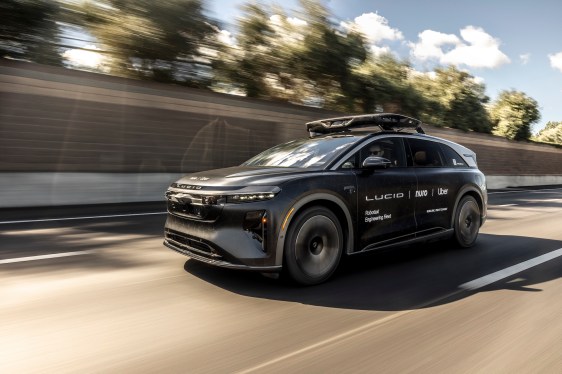
Uber is making a bold pitch to autonomous vehicle makers: they have the solution. The ride-hailing and food delivery company has launched a new division called Uber Autonomous Solutions. This unit is designed to handle all the operational tasks associated with running a robotaxi, self-driving truck, or sidewalk delivery robot business, including software and support services.
The initiative, announced Monday, formalizes work Uber has been conducting for several years. Uber has amassed partnerships with nearly two dozen autonomous vehicle technology companies across every use case, from robotaxis and trucking to sidewalk delivery robots and drones. Uber has backed many of these companies, including Lucid, Nuro, Waabi, and China’s WeRide. The company has also invested one hundred million dollars to build fast-charging, autonomous vehicle charging stations and launched Uber AV Labs, a specialized engineering team that gathers driving data for robotaxi partners.
Having made these partnerships and investments, Uber now aims to make itself indispensable. The idea is to allow AV technology teams to focus on their core strength of building software, while Uber adds operational depth wherever it is needed. This includes demand generation, rider experience, customer support, and managing day-to-day fleet operations. The end goal is to help these companies reduce their costs per mile and increase their speed to market. Uber plans to help its partners scale robotaxi deployments to more than fifteen cities by the end of this year.
Uber’s leadership believes commercialization is the key to autonomy’s success. The company intends to handle infrastructure like training data and mapping, fleet financing, regulatory services, and managing how autonomous vehicles navigate complex events and venues. Uber is using a fleet of specially equipped Lucid vehicles to collect data that can be shared with partners for AI training.
The new division also plans to tackle user experience, including customer support. Notably, Uber wants to take over fleet management, which would include remote assistance, insurance, and employing the humans who support these vehicles in the field.
Uber’s move is both existential and opportunistic. The company sold its in-house autonomous vehicle development unit, known as Uber ATG, in 2020 following internal struggles and a fatal pedestrian incident involving one of its test vehicles. Since then, Uber has tried to shore up its position through numerous partnerships and investments.
These partnerships include a shared robotaxi service with Waymo in Atlanta and Austin, collaborations with Chinese firms Baidu, Momenta, and Pony.ai, deals with sidewalk delivery bot companies like Cartken, Starship, and Serve, and partnerships with tech startups like Wayve, AVride, and Motional. Uber also plans to launch a robotaxi service with Volkswagen in Los Angeles by the end of 2026, though it will not be driverless until 2027.
While these partnerships provide some protection, they do not replace revenue that could be lost if autonomous companies erode Uber’s human-driven ride-hailing and food delivery business. Uber is hoping this new division will secure its essential role in the future of autonomous transportation.