
Ever since the Reagan administration, the Environmental Protection Agency has assigned a monetary value to human life. While the concept may seem crass, its purpose was to provide a cost-benefit framework for pollution controls. If the health benefits of reducing pollution outweighed the costs, there was a clear economic argument for those reductions. Every subsequent administration has used some version of this practice when crafting air pollution regulations.
According to a report in the New York Times, the Trump administration is planning to depart from this decades-old practice. If the EPA follows through, it would no longer factor the value of human health benefits when regulating ozone and fine particulate matter pollution.
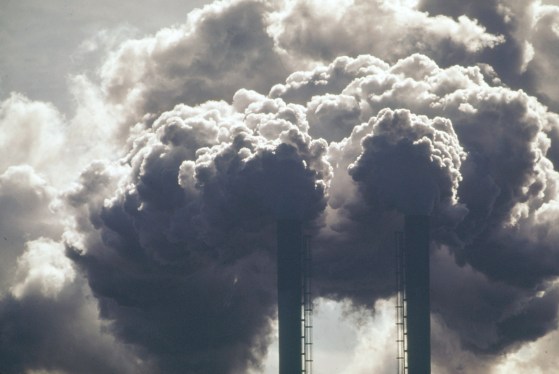
The dangers of air pollution have been understood for decades, which was a key reason for the EPA’s founding under President Richard Nixon. Ozone and fine particulate matter, known as PM2.5, have long been linked to cardiovascular ailments like asthma, heart disease, and emphysema. Ozone high in the atmosphere protects against UV radiation, but when it forms at ground level from emissions from cars and power plants, it creates smog. On bad smog days, this can be deadly for vulnerable populations.
PM2.5 may be even more harmful. Recent research connects it to a wider range of illnesses, including Parkinson’s disease, kidney disease, Alzheimer’s, dementia, and type 2 diabetes. Even the youngest are affected, as a mother’s exposure to PM2.5 has been linked to low birth weight in infants. Worldwide, as many as 10 million people per year die from fine particulate matter pollution.
This proposed policy change arrives as data centers increasingly rely on dirtier electricity sources. For example, Elon Musk’s xAI used dozens of unpermitted natural gas turbines to power a data center in Tennessee, a region already designated an “asthma capital” due to existing pollution.
The U.S. Chamber of Commerce has welcomed the Trump administration’s move. A chamber official stated they appreciate the effort to rebalance regulations with a common-sense approach and look forward to examining the EPA’s proposal.