
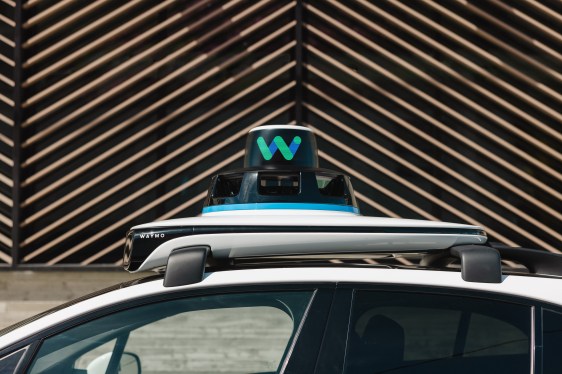
A trip in a Waymo robotaxi still costs more, on average, than a comparable ride in a human-driven Uber or Lyft. However, that gap is narrowing according to new data published Tuesday by Obi, a company that aggregates real-time pricing and pick-up times across multiple ride-hailing services.
Two factors are behind the change. Waymo has lowered its pricing, at least in the San Francisco Bay Area where the data was pulled, while traditional ride-hailing rides on the Uber and Lyft networks have risen.
The new data was collected between November 27 and January 1, with Obi simulating more than 94,000 ride requests in the Bay Area. The company found that Waymo rides cost an average of $19.69, while Uber rides were slightly cheaper at $17.47. Lyft rides across the same period averaged $15.47.
In June, Obi released its first report analyzing robotaxi versus ride-hailing data. The data, taken from rides in April 2025, showed Waymo rides averaged $20.43, Uber landed at $15.58, and Lyft rides evened out at $14.44. Compared to these figures, Waymo’s average cost has dropped 3.62%, while Uber’s went up 12%, and Lyft’s climbed 7%.
Obi CEO Ashwini Anburajan believes this is a trend to watch because, while last April’s data implied customers were willing to pay a higher price to ride in a Waymo, the novelty is wearing off for people in the Bay Area. That means Waymo will likely keep having to price its offering more competitively.
The wildcard in Obi’s new report is that it collected data on Tesla’s burgeoning robotaxi service, which appears to be far cheaper than these other three offerings. But there are a number of important caveats.
For one, Tesla isn’t technically operating a robotaxi service in the San Francisco area, where the data was sampled. Tesla doesn’t have the permits required to operate a driverless commercial robotaxi service in the state. Instead, Tesla has a transportation charter permit, which means the company uses employees to drive the company’s vehicles equipped with its Full Self-Driving software.
Tesla’s Bay Area fleet is also modest. Crowdsourced data has helped log around 168 vehicles in Tesla’s ride-hail fleet, though not all of those cars are active all the time. That smaller fleet has driven up wait times. Of the four services surveyed, Tesla had the longest wait time with an average ETA of 15.32 minutes. Waymo’s average wait time was 5.74 minutes, while Lyft and Uber came in at 5.14 minutes and 3.15 minutes, respectively.
These inputs could all affect how Tesla prices rides at true scale, and it’s hard to say when and how that might happen. If Tesla can scale its robotaxis, the company should theoretically be able to price rides lower than competitors like Waymo.
Anburajan thinks there’s value in Tesla operating a ride-hailing service ahead of any attempt at operating true robotaxis. It allows them to build brand familiarity and preference. There’s some evidence of this in the report. Along with the ride requests sampled, Obi surveyed 2,000 people in several states. Over half of those respondents who had taken an autonomous vehicle ride said they’d ridden in a Tesla. When asked which autonomous brand they preferred the most, respondents chose Tesla 31% of the time.
Waymo was still the most preferred, with 39.8% of respondents choosing the Alphabet-owned brand. But this strong preference for Tesla, despite the company not operating a real robotaxi service at any scale yet, hints at future demand. That strong preference is also being driven in large part by a particular group: men. Women surveyed were essentially evenly split when choosing Waymo or Tesla, but 56% of men surveyed preferred Tesla.
Obi’s report offers a good baseline ahead of a year sure to see many developments. Waymo is rapidly expanding into new cities and partnering with Uber and Lyft. Those ride-hail companies are bringing other autonomous vehicle partners onto their platforms. Tesla will likely look to prove its robotaxi approach works.
Waymo is also about to start offering rides in a new van-like vehicle it is building with Zeekr. That vehicle is expected to have a lower up-front cost and could allow Waymo to get more aggressive on pricing.
One thing is clear: real competition is coming. Other companies are preparing to launch their own robotaxi services. Nuro is supplying its self-driving system to modified Lucid vehicles as part of a premium robotaxi network operated by Uber. Hyundai-backed Motional has rebooted its efforts and plans to launch a commercial robotaxi service in Las Vegas before the end of the year. Other companies have partnered with Uber to bring robotaxis to other U.S. cities.
It is still very early in the game, so no one is a late entrant. We are in this new era, so the question remains who will capture market share and move fast to win consumers over.