
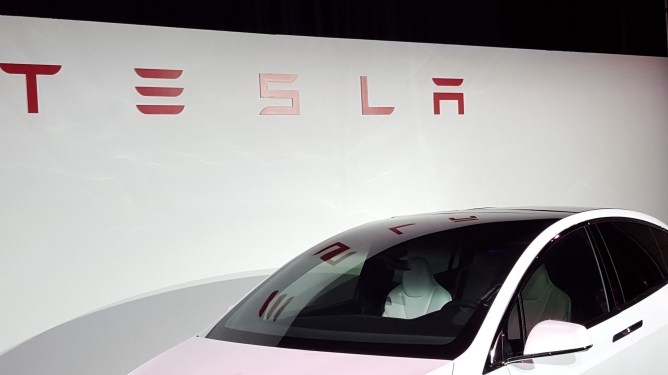
The end of an era is here for Tesla. Only a few hundred Model S and Model X vehicles remain in inventory, as CEO Elon Musk confirmed custom orders are over. Sales for these flagship models have declined for years, overshadowed by the high-volume Model 3 and Model Y. Their combined sales peaked in 2017 and fell to just 50,850 units in 2025.
Musk is not replacing them with a planned affordable EV. Instead, Tesla is betting on its future as an AI company, focusing on the Optimus robot and the steering-wheel-free Cybercab autonomous vehicle. Production of the Optimus is slated for the Fremont factory, while Cybercab production is set to begin in Austin.
The Model S, launched in 2012, revolutionized the EV market and forced legacy automakers to take notice. The complex Model X followed in 2015, ultimately expanding Tesla’s appeal. These models paved the way for the mass-market Model 3 and Model Y, which cemented Tesla’s dominance until BYD surpassed it in global sales in 2025.
The Cybercab faces significant regulatory hurdles, as current safety standards require traditional controls. Tesla’s Full Self-Driving software also must prove it can operate reliably at scale. While competitor Zoox has received exemptions for similar vehicles, Tesla’s high-stakes AI gamble is now central to its mission.