
Superorganism launched in 2023 as the first venture capital firm focused exclusively on biodiversity. It aims to serve as the conservationist on the cap table for nature-friendly startups. The firm has now closed its first fund, securing $25.9 million in capital commitments from backers including the Cisco Foundation, AMB Holdings, and Builders Vision, as well as individuals like Jeff Jordan, a partner at Andreessen Horowitz.
The firm invests in three categories of companies: technology that slows or reverses extinction, startups operating at the intersection of climate and biodiversity, and tools that help conservationists work more effectively. Superorganism writes checks of $250,000 to $500,000 for pre-seed and seed-stage companies and donates 10 percent of its profits to future conservation efforts.
Kevin Webb, a managing director at Superorganism, explained the firm’s approach. He said you could think of them like a climate tech fund, but instead of focusing on reducing carbon emissions, they focus on preventing nature loss.
A portfolio company named Spoor exemplifies the type of startup Superorganism backs. Spoor’s software uses computer vision to track bird movement and migration patterns. This helps minimize damage from wind turbines on local bird populations, benefiting both biodiversity and wind farm developers who face strict regulations regarding their impact on birds.
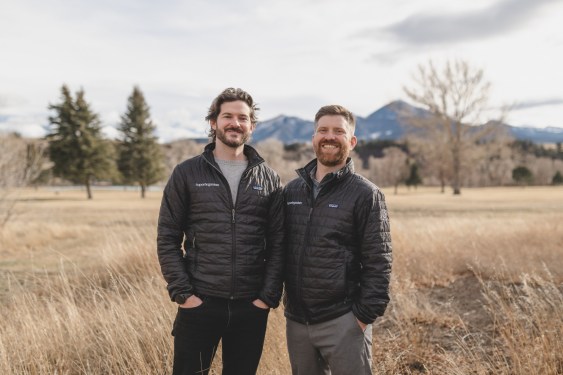
Webb and his co-founder, managing director Tom Quigley, described their meeting as kismet. Webb had begun making angel investments in biodiversity to test its viability as a venture capital strategy. He reached out to Quigley after being impressed by his background, and the two began working on the firm in 2022.
The political climate around protecting nature has shifted since the pair started this work a few years ago, particularly in the U.S. However, this did not prevent the firm from reaching its $25 million fundraising target.
Quigley noted that some potential investors needed guidance to understand how Superorganism differs from a climate fund. He said this becomes clear when looking at the diverse portfolio, which spans different categories and attracts varied follow-on investors and customers. He explained they are purposely building a diverse portfolio to showcase what the best biodiversity companies look like across all industries and tech types, creating a stable portfolio that is resilient to industry headwinds or changing government policies.
He added that many biodiversity issues transcend partisan climate change battles. As an example, he cited Republican Florida Governor Ron DeSantis recently praising Inversa, a Superorganism portfolio company. Inversa turns invasive species into leather goods and is helping tackle a python problem in the Everglades.
To date, Superorganism has invested in 20 companies and plans for a portfolio of about 35 companies for this fund. Quigley stated that as the first firm of its kind, they recognize a responsibility to bring others along, helping interested parties find and support the right companies that can make a meaningful impact.