
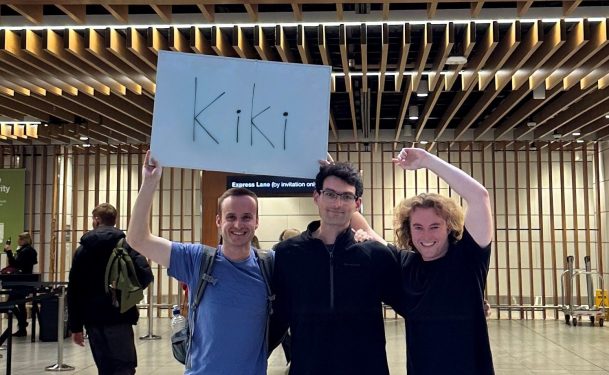
Kiki Club, a peer-to-peer subletting startup founded in Auckland, launched in New York City in 2023. Its mission was to help renters sublet their apartments while traveling for extended periods. The company aimed to simplify the subletting process and promised a solution allowing users to sublet their spaces for up to six months. The platform used a matching system similar to dating apps, connecting listers and renters based on their preferences.
However, Kiki’s business model violated local short-term rental laws, leading to its shutdown this past June. The New York Mayor’s Office of Special Enforcement announced that Kiki has agreed to pay over 152,000 dollars to settle charges. The startup found itself on the wrong side of New York City’s Local Law 18, which was enacted in 2022. This legislation imposes strict guidelines, allowing short-term rentals only if the host is registered with the Office of Special Enforcement as a short-term rental host and meets other criteria, such as staying in the same unit as the guests.
When this law was first introduced, many Airbnb hosts found the regulations too difficult to manage. According to the organization Inside Airbnb, this led to a dramatic 85 percent drop in short-term rentals. Additionally, the law requires booking services to use the official verification system to confirm that hosts are either registered or exempt. Unverified transactions face a penalty of 1,500 dollars or three times the revenue earned, whichever is lower.
According to the enforcement office, Kiki failed to submit required quarterly reports of short-term rental transactions for eligible listings. The company also did not verify nearly 400 short-term rental transactions. The executive director of the Office of Special Enforcement stated that the settlement sends a clear message that ignoring city laws will be an expensive proposition for companies that facilitate short-term rentals. He said Kiki Club acted as a clandestine conduit for unregistered and illegal short-term rentals, directly undermining the city’s efforts to protect tenants and preserve permanent housing.
While Kiki did not admit or deny the findings, it paid the penalties. A spokesperson for the company previously acknowledged in an interview that they were aware they were operating in a gray regulatory area. Despite facing such significant consequences in New York, Kiki is not giving up. In June, the startup announced its launch in London. It is important to note that the United Kingdom also has regulations concerning illegal renting. Renting to someone who does not have the right to rent in the UK can lead to up to five years in prison or a hefty fine. Hopefully, the startup learned a valuable lesson in New York so its London platform does not meet the same fate.