
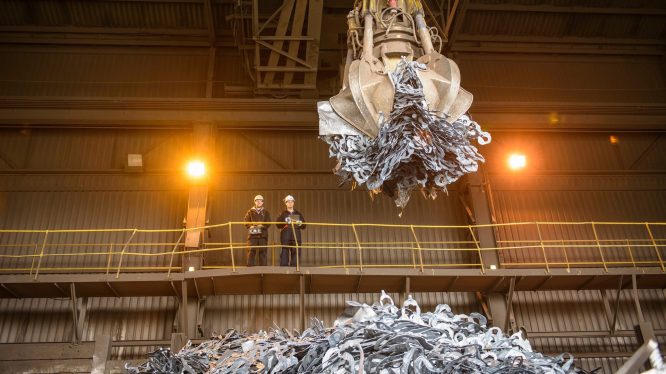
Aluminum is a remarkable material for recycling. It can be reused an infinite number of times, and recycling it is often cheaper than producing new aluminum because the process requires significantly less energy. Despite these advantages, only about a third of the aluminum used in the United States actually gets recycled.
The core issue has long been the difficulty of sorting mixed aluminum scrap, a challenge that has stumped the recycling industry. Michael Siemer, CEO of Sortera, believes his company has found the solution. Sortera has developed a system that can separate different grades of aluminum with over ninety-five percent accuracy, a breakthrough that could unlock a massive untapped resource.
The system uses an artificial intelligence model that identifies various aluminum grades based on data from lasers, X-ray fluorescence, and high-speed cameras. The technology must classify each piece of scrap, which is about the size of a large potato chip, in a fraction of a second. Once the vision system identifies the grade, a series of nozzles use precise puffs of air to flip the chip off the conveyor belt and into the correct bin.
This speed and accuracy is critical. Other recycling operations often have to melt the aluminum first to determine its alloy type. When alloys are not sorted properly, the mixed material is worth far less because manufacturers cannot be confident it will have the specific properties they require for their products.
This sorting accuracy has also helped Sortera achieve a goal many startups seek: profitability. The company has been cash flow positive since August, all based on the operation of a single plant in Indiana. To build a second plant in Tennessee, Sortera recently raised twenty million dollars in equity and twenty-five million dollars in debt. The new facility near Nashville is expected to be operational in April or May and will be a replica of the Indiana plant, which runs continuously, processing millions of pounds of aluminum each month.
The scrap aluminum that Sortera processes primarily comes from shredded automobiles. Each aluminum grade fractures in a unique way when shredded, and these visual differences help the artificial intelligence classify the metal. The chemical differences manifest in the shredding, creating distinctive tears and folds that give the system the clues it needs to make a confident identification in about ten milliseconds.
As Sortera expands, much of its sorted aluminum will likely find its way back to automotive assembly lines. Car manufacturers have been increasingly using aluminum to reduce vehicle weight and improve fuel efficiency. The company is also working on ways to process other metals like copper and titanium, but for the near future, the focus remains on aluminum. The potential is vast, with the capability to sort the billions of tons of aluminum produced annually in the United States, with every pound sold at a profit.