
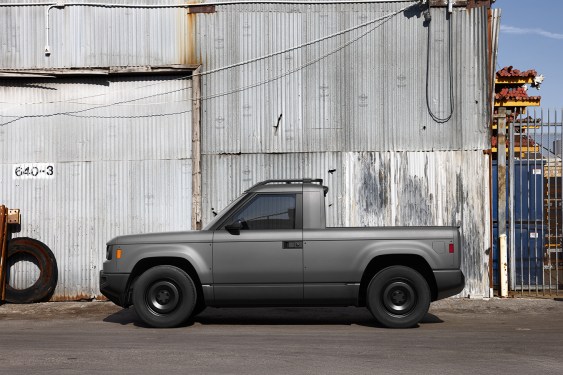
Slate Auto, the electric truck startup backed by Jeff Bezos, has now collected more than 150,000 refundable reservations for its low-cost electric vehicle, which is due out at the end of 2026. The company shared this figure in a new Q&A video with CEO Chris Barman, where she answered questions from reservation holders about topics like the company’s plans for self-driving technology, which are nonexistent, and the ability to affix a car seat to the optional rear seats, which owners will be able to do.
Reservations are a somewhat helpful metric for gauging general interest in a new car, but they are by no means a signal of sure success. Time and again over the last few years, we have seen electric vehicle companies promote reservation figures only to go bust. This failure is often because they were unable to navigate the difficult process of starting production or were not ready to deliver cars to the road.
For Slate, it is promising that the reservation number has continued to climb. This means new reservations are coming in faster than any attrition the company might be seeing. That said, Slate crossed the 100,000 reservation mark all the way back in May, right after it came out of stealth mode, so it took a good seven months to grow the list by fifty percent. Looking forward, Slate plans to make 150,000 of these electric vehicles per year at the factory it is refurbishing in Warsaw, Indiana. To succeed in the market, it will need to attract far more buyers.
Any continued enthusiasm for Slate’s electric vehicle has to be a reassuring sign for the company, given the current state of electric trucks. Just yesterday, Ford announced it is ending production of the all-electric F-150 Lightning, which was the first major battery-powered pickup truck to hit the U.S. market a few years ago. It is being replaced by a version with a gas generator attached. The company said the Lightning simply was not making enough money, a fact made worse by Ford’s inability to sell more than a few thousand per quarter. Sales of other electric trucks, like Tesla’s Cybertruck and General Motors’ Silverado EV, have also struggled to stay above that mark.
Of course, the Lightning was a sort of Frankenstein’s monster of a vehicle, with Ford shoehorning electric vehicle technology into a design originally meant for gas powertrains. Slate’s truck has been designed from the ground up to be an electric vehicle, and the company is hyper-focused on selling it for a price tag in the mid-twenty-thousand-dollar range. The decline of offerings from Ford and others may help clear the way for Slate to find early success, that is, until Ford’s real shot at a low-cost electric vehicle hits the market in 2027.