
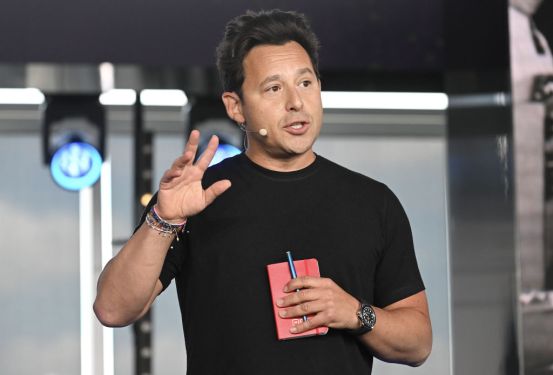
Shopify is preparing for a major transformation, according to its president, Harley Finkelstein. Speaking at this year’s Upfront Summit in Los Angeles, the longtime e-commerce veteran explained how the company is going all in on agentic shopping. Shopify is the second-largest e-commerce provider in the U.S., behind Amazon. Finkelstein notes that only about 18 percent of retail purchases in the U.S. are made online. He believes agentic technology can change that by acting as a new front door for e-commerce sellers.
He stated that Shopify will begin to use agentic applications as personal shoppers, with an initial rollout that will be slow. These agentic personal shoppers are predicted to be the future of shopping, able to discover, buy, and compare products for consumers more effectively. Finkelstein said agents will bring context to shopping, which is something traditional search engines do not do well currently.
He offered an example about searching for athletic shoes, mentioning his favorite brand, On. He explained that agentic shopping is fundamentally merit-based. If you type “sneakers” into a current search engine, you might see results like Foot Locker. But once an agentic shopper knows his preference for On running shoes, it will do a better job representing options from that brand instead of just popular mass retailers. While current search engines do tailor results based on browsing history, agentic shopping aims to consider a person’s preferences at a much higher level.
Finkelstein added that while we will still be influenced by people on social media and television, a chat-based agent is a more authentic personal shopper because it is not on commission. It will only show you items it believes you are most likely to purchase. He noted many Shopify merchants struggle with product discovery, and this is where agentic technology will play a huge role in surfacing new brands to customers.
Shopify is currently building an AI assistant for merchants called Sidekick. It is also building an agent to handle support issues and developing a protocol so agents can better understand merchant data, such as product details. Overall, Finkelstein sees agentic shopping as another essential component of the retail system. He expressed that the company is more excited about this new era of commerce than ever before, believing it will create significant opportunity not just for large merchants, but for the long tail of merchants as well.