
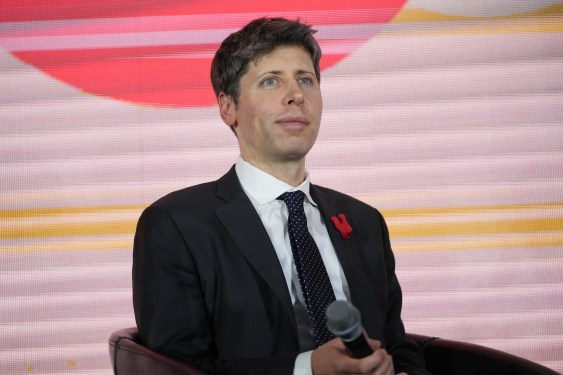
OpenAI CEO Sam Altman recently addressed concerns about the environmental impact of artificial intelligence. Speaking at an event hosted by The Indian Express, Altman dismissed certain claims as exaggerated while acknowledging broader energy challenges.
Altman specifically labeled concerns about AI’s water usage as “totally fake.” He acknowledged that water consumption was a real issue in the past when data centers used evaporative cooling systems. However, he strongly refuted current online claims, such as the idea that a single ChatGPT query uses 17 gallons of water, calling them completely untrue and having no connection to reality.
When it comes to energy, Altman stated it is fair to be concerned about total consumption, not per query, because the world is now using so much AI. He argued that this growing demand means the world needs to move towards nuclear, wind, and solar energy very quickly.
There is no legal requirement for tech companies to disclose their energy and water use, leading scientists to study the issue independently. Data centers have already been connected to rising electricity prices in some areas.
During the interview, Altman was asked if a single ChatGPT query uses the equivalent of 1.5 iPhone battery charges, a figure cited from a prior conversation with Bill Gates. Altman firmly replied that there is no way it is anything close to that much.
He also expressed that many discussions about ChatGPT’s energy usage are unfair, particularly those comparing the energy to train an AI model to the cost of a human performing a single task. Altman offered a different perspective, noting that it takes a lot of energy to train a human, including 20 years of life, food, and the broader arc of human evolution.
In his view, the fair comparison is between the energy a trained AI model uses to answer a question versus the energy a human uses to do the same. By that measure, Altman believes AI has likely already caught up to humans on an energy efficiency basis.
The full interview is available to watch, with the conversation about water and energy usage beginning around the 26-minute mark.