
Last year, Roblox launched an open-source AI model that could generate 3D objects on the platform. This tool, called Cube 3D, helps users quickly design digital items such as furniture, vehicles, and accessories. The company claims Cube 3D has already helped users generate over 1.8 million 3D objects since its rollout last March.
This week, the company launched the open beta for its anticipated 4D creation feature. This allows creators to make not just static 3D models, but fully functional and interactive objects. The feature had been in early access since November. Roblox says 4D creation adds an important new layer: interactivity. With this technology, users can design items that can move and react to players within the game.
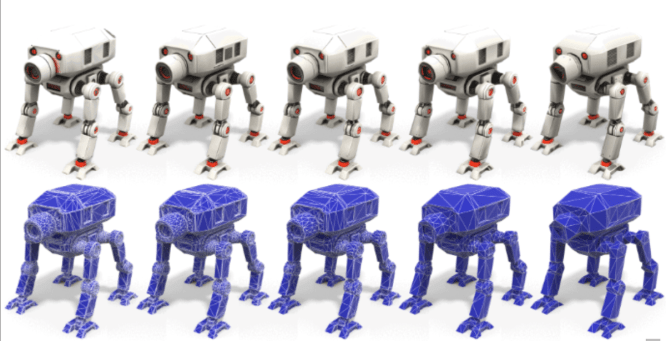
At launch, there are two types of object templates, called schemas, that creators can try. The first is the “Car-5” schema, used to create a car made of five separate parts: the main body and four wheels. Previously, cars were a single, solid 3D object that couldn’t move. The new system breaks down objects into parts and assigns behaviors to each so they function individually within the virtual world. The AI can therefore generate cars with spinning wheels, making them more realistic and interactive.
The second schema is called “Body-1,” which can generate any object made from a single piece, like a simple box or sculpture.
The first experience with 4D generation is a game called Wish Master, where players can generate cars they can drive, planes they can fly, and even dragons.
In the future, Roblox plans to let creators make their own schemas so they will have more freedom to define how objects behave. The company says it is also developing new technology that could use a reference image to create a detailed 3D model that matches the image’s style.
Roblox says it is developing more ways to help people create games and experiences using AI, including a project it has dubbed “real-time dreaming.” Roblox CEO David Baszucki last month explained that this project would let creators build new worlds using keyboard navigation and sharing real-time text prompts.
The open beta comes following Roblox’s recent implementation of mandatory facial verification for users to access chat features in the game, a move made after lawsuits and investigations related to child safety.