
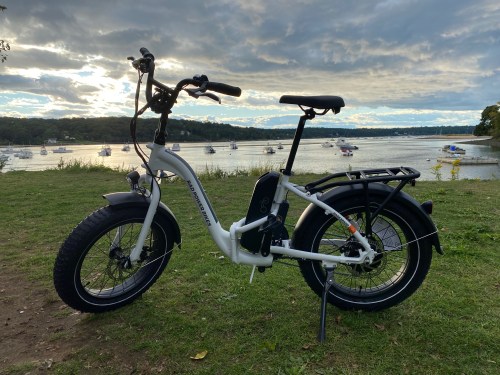
Electric bike company Rad Power Bikes filed for Chapter 11 bankruptcy protection on Monday. This comes weeks after it warned employees that it could shut down without new funding. A company spokesperson stated that Rad Power will continue to operate while the bankruptcy case proceeds and is looking to sell the business within 45 to 60 days.
In a statement, the company said this step allows it to keep operating normally while pursuing the best possible outcome for the people who rely on Rad. Their goal is to keep the company intact and preserve relationships with riders, vendors, suppliers, and partners.
Rad Power is the latest in a series of e-bike companies from around the world to go through bankruptcy after the pandemic-era excitement for the category wore off. Some other companies, like VanMoof and Cake, have re-emerged after finding new owners during their own court-led restructuring processes.
Rad had previously told employees in November that a very promising deal to keep the company afloat was likely to close, but that deal ultimately fell apart. The company has not shared further details about that potential arrangement.
Weeks later, the Consumer Product Safety Commission issued a warning that older Rad Power batteries posed a risk of serious injury and death after receiving 31 reports of fires. Rad Power said it strongly disagrees with the CPSC’s characterizations.
This difficult November capped off a tumultuous few years for the company. Rad Power has gone through multiple rounds of layoffs and swapped CEOs earlier this year. The new CEO, Kathi Lentzch, brought decades of experience turning around underperforming companies. At the time of her appointment, she announced Rad was shifting away from its direct-to-consumer model and toward a retail-focused approach. She stated this shift would create new opportunities to reach more riders and strengthen customer relationships.
According to bankruptcy filings, the company entered the process with 32 million dollars in assets and 73 million dollars in liabilities. More than 8 million dollars of its debt is owed to the U.S. Customs and Border Protection agency for unpaid tariffs, though the company has listed this claim as disputed in the paperwork.
It is not clear how much this tariff debt contributed to Rad’s slide into bankruptcy. However, it would not be the first time tariffs from the Trump administration affected a micromobility company. During his first term, tariffs on Chinese imports were a factor in the decline of electric skateboard company Boosted, which went under shortly afterward.