
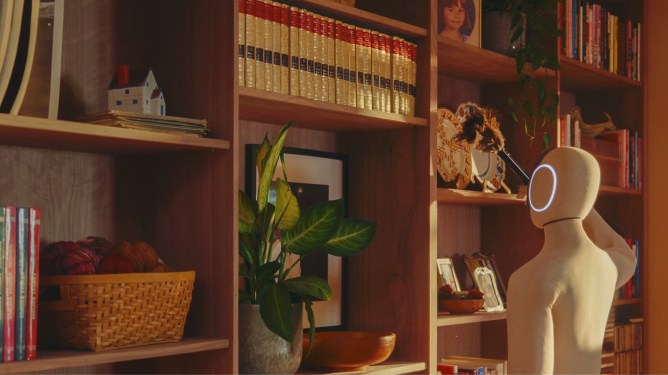
The robotics company 1X has unveiled a new AI model designed to understand real-world dynamics and help its robots learn independently. This physics-based system, called the 1X World Model, uses a combination of video and text prompts to grant new abilities to the company’s Neo humanoid robots. According to 1X, the video component allows the Neo robots to learn tasks they were not originally trained to perform.
This announcement comes as 1X prepares to introduce its Neo humanoids into home environments. The company began accepting pre-orders for the robots in October, with plans to ship them this year. A company spokesperson declined to provide a specific shipping timeline or reveal the number of units ordered, stating only that pre-orders have exceeded expectations.
Bernt Børnich, founder and CEO of 1X, explained the development in a statement. He said that after years of refining their world model and designing Neo to be as human-like as possible, the robot can now learn from internet-scale video and apply that knowledge directly to the physical world. Børnich claims this marks the starting point for Neo’s ability to teach itself to master nearly any conceivable task by transforming prompts into new actions, even without prior examples.
However, the claim that the robot can transform any prompt into a new action is ambitious and not entirely literal. For instance, you could not simply tell a Neo to drive a car and expect it to know how to parallel park immediately. A company spokesperson clarified that the current system does not allow a Neo bot to perform a new task right away from a single video and prompt. Instead, the robot takes video data linked to specific prompts and sends that information back into the world model. This refined model is then distributed to the network of robots, improving their collective understanding of the physical world and expanding their knowledge base.
This process also provides users with insight into how Neo considers behaving or reacting to a given prompt. This type of behavioral data could help 1X train its models to a point where robots might eventually react to prompts for entirely novel actions.