
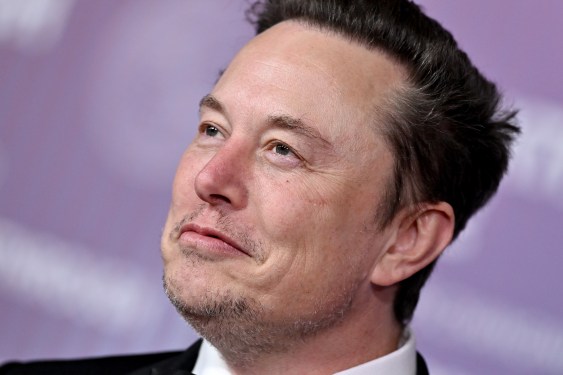
Elon Musk is seeking between 79 billion and 134 billion dollars in damages from OpenAI and Microsoft. He claims the artificial intelligence company defrauded him by abandoning its original nonprofit mission. This figure was first reported by Bloomberg.
The staggering sum comes from an analysis by expert witness C. Paul Wazzan, a financial economist. Wazzan has extensive experience in complex commercial litigation. He determined Musk is entitled to a large portion of OpenAI’s current 500 billion dollar valuation. This calculation is based on Musk’s 38 million dollar seed donation when he co-founded the startup in 2015. That would represent a 3,500-fold return on his initial investment.
Wazzan’s analysis combines Musk’s early financial contributions with the technical and business guidance he provided. It calculates wrongful gains of 65.5 to 109.4 billion dollars for OpenAI and 13.3 to 25.1 billion dollars for Microsoft, which now owns a 27 percent stake in the company. Musk’s legal team argues he should be compensated as an early investor who would typically see returns far greater than his initial stake.
However, the enormous scale of the damages demand highlights that this legal battle is not primarily about money. Elon Musk’s personal fortune is currently estimated at around 700 billion dollars, making him the world’s wealthiest person by a large margin. His wealth surpasses that of the second-richest person by approximately 500 billion dollars. Furthermore, Tesla shareholders recently approved a historic one trillion dollar pay package for Musk.
Given this context, even a 134 billion dollar payout would be a relatively modest addition to Musk’s wealth. This likely reinforces the view from within OpenAI that the lawsuit is part of what they call an “ongoing pattern of harassment” rather than a legitimate financial dispute. OpenAI has reportedly sent a letter to investors and partners warning that Musk will make deliberately outlandish and attention-grabbing claims as the lawsuit heads to trial. The case is scheduled to be heard in Oakland, California this April.