
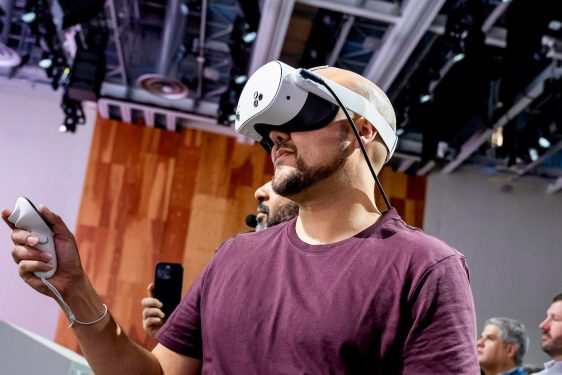
Meta has paused its program to share Meta Horizon OS, the mixed reality operating system that powers its Quest headsets, with third-party device makers. This program was a key part of the company’s metaverse push, originally intended to create a new generation of hardware and give VR users more device choices for engaging with Meta’s digital worlds.
A Meta spokesperson stated the company has halted the program to concentrate on building world-class first-party hardware and software to advance the VR market. They added that Meta remains committed for the long term and will revisit opportunities for third-party device partnerships as the category evolves. This news was originally reported by Road to VR.
The tech giant first announced it would open Meta Horizon OS to third-party headset makers in April of last year. At that time, the company named Asus, Microsoft’s Xbox, and Lenovo as partners working on new hardware running its software. Meta argued that a broad hardware ecosystem, similar to the PC and smartphone industries, best serves consumers with both general and specialized devices on a common platform.
Between the initial announcement and now, updates on the partner program have been scarce. At Meta’s Connect event in September, a company spokesperson indicated that Meta was still collaborating with its business partners to expand Horizon OS into more devices. Horizon OS was designed to deliver mixed reality experiences and convey social presence through advanced tracking of hands, body, eyes, and face. It launched during a period when CEO Mark Zuckerberg prominently declared the metaverse was the future of the company.
However, interest in the metaverse from Meta and its top executive has appeared to wane recently as artificial intelligence becomes a larger corporate focus. Earlier this month, Bloomberg reported that the metaverse group within Meta’s Reality Labs unit was facing potential budget cuts of up to 30 percent. The company later confirmed it was planning to shift some investment from the metaverse toward AI glasses and wearables, citing growing momentum in that area.