
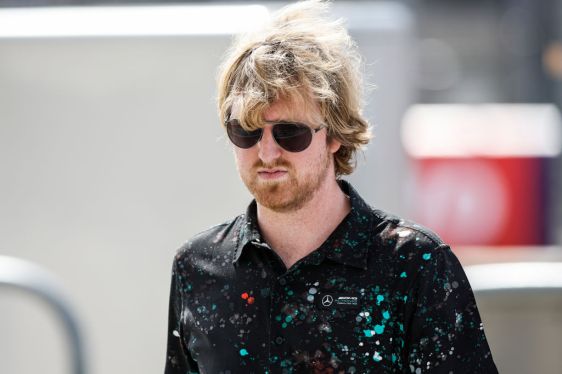
Lidar manufacturer Luminar states that its founder and former CEO, Austin Russell, has been evading requests for information, including a subpoena. The company needs this information to decide whether to pursue legal action against him. Luminar, which entered Chapter 11 bankruptcy in late December, detailed these issues in an emergency court filing over the weekend. The company says it has been trying to reclaim company-owned devices from Russell since his resignation in May. While it has recovered six computers, Luminar is still seeking Russell’s company-issued phone and a digital copy of his personal phone.
In the filing, Luminar’s lawyers also wrote that Russell and his personal employees repeatedly misled legal representatives about the founder’s location over the holidays. They are now asking the court for permission to serve Russell by mail or email instead. A lawyer for Luminar declined to comment further.
In emails attached to the filing, Russell claimed he was being cooperative and has been trying to get assurances from Luminar that any personal data from his devices will be protected. An attorney for Russell stated that the company declined to provide those assurances, so they will follow the court-established process for data handling protections instead.
This emergency filing is one of the first major developments in a fast-moving bankruptcy case. Luminar is trying to sell the two main parts of its business. The company is seeking court approval of an already-reached agreement to sell its semiconductor subsidiary to a company called Quantum Computing, Inc., and has set a January 9 deadline for bids on its lidar division.
Russell, through his new venture Russell AI Labs, tried to buy Luminar before the Chapter 11 filing and has expressed plans to make a bid in the bankruptcy process. His attorney stated that their focus remains on Russell AI Labs’ bid to rebuild the company and bring value to its stakeholders.
According to the filing, Luminar began seeking information from Russell in May, just after he abruptly resigned following a code of business conduct and ethics inquiry performed by the board’s audit committee. The company was evaluating whether it had potential legal claims against him relating to that audit committee inquiry and personal loans taken by Russell. Luminar said those initial efforts were unsuccessful and that Russell was not cooperative.
On November 12, Luminar’s board established a Special Investigation Committee and hired the law firm Weil, Gotshal & Manges to further investigate certain acts and potential claims involving current and former directors and officers. One month later, just before the bankruptcy filing, lawyers from Weil contacted the law firm that had previously represented Russell. They asked about collecting his Luminar-provided computers, company phone, and a digital image of his personal phone.
After a week of confusion over legal representation, Weil lawyers attempted to contact Russell directly. Russell first responded on Christmas Eve. He eventually authorized the release of the computers but repeatedly asked for guarantees that Luminar’s lawyers would not search through personal data on his phones.
Russell wrote in a New Year’s Eve email that he had offered cooperation but needed basic data protection confirmed, or further deliberations would not be productive. Luminar arranged for a forensic examiner to appear at Russell’s Florida mansion on New Year’s Day, but the technician was turned away by Russell’s security team. A Luminar lawyer called this unacceptable.
Russell claimed the technician arrived unannounced on the holiday morning while he was asleep and reiterated his desire for privacy. A lawyer for Luminar responded that they had repeatedly confirmed they only sought Luminar-related documents. Russell replied that any characterization of him as uncooperative was inaccurate and accused the lawyers of word gymnastics.
Luminar’s lawyers then tried to subpoena the information but claim their process servers were also turned away by his security team. They further allege that security team members lied about Russell’s presence at his Florida residence. In an internal email on New Year’s Eve, one of the Weil lawyers noted that Russell would evade service as long as possible and that a guard had previously lied about his presence.