
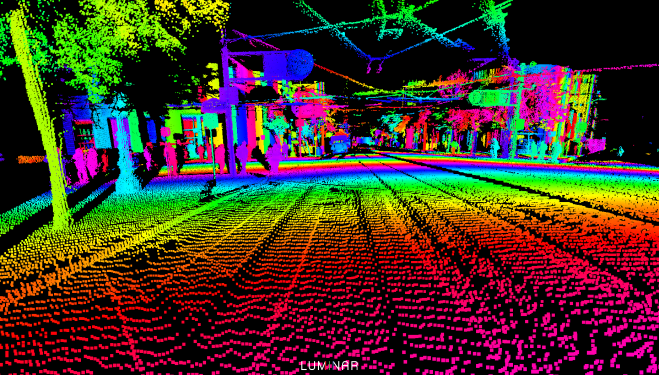
Lidar company Luminar has filed for Chapter 11 bankruptcy protection. This move follows months of layoffs, executive departures, and a legal fight with its largest customer, Volvo. The company aims to sell off its lidar business during the bankruptcy proceeding and has already reached a deal to sell its semiconductor subsidiary.
While Luminar will continue to operate during the bankruptcy process to minimize disruptions for suppliers and customers, the company will eventually cease to exist once the proceedings are complete. In a statement, CEO Paul Ricci said that after a comprehensive review, the board determined a court-supervised sale process was the best path forward. He stated the top priority is to continue delivering the same quality and service customers expect.
The bankruptcy case was filed in the Southern District of Texas. It marks a tumultuous end to a difficult year for a company that was valued at over three billion dollars when it went public via a reverse merger in 2020.
Luminar’s founder, Austin Russell, abruptly resigned from the CEO role in May following a code of business conduct and ethics inquiry, though he remained on the board. In October, he launched a new effort called Russell AI Labs and made a bid to buy Luminar outright. It is unclear if Russell plans to pursue the lidar assets in the bankruptcy case.
Earlier in the year, the company cut twenty-five percent of its workforce, which was its second round of layoffs. Luminar’s chief financial officer departed, the company defaulted on a number of loans, and the Securities and Exchange Commission opened an investigation. Luminar was also hit with an eviction lawsuit at one office in October and exited a lease on another in November.
Another significant blow came in November when Volvo, an early backer and Luminar’s largest customer, canceled a five-year-old contract. Luminar has taken legal action against Volvo over the dissolution but has also been hit with a legal claim from the contract manufacturer that made the lidar sensors.
According to bankruptcy filings, Luminar claims to have between one hundred million and five hundred million dollars in assets and between five hundred million and one billion dollars in liabilities. These liabilities include a ten million dollar debt owed to Scale AI for data labeling assistance and over one million dollars owed to AI software company Applied Intuition.