
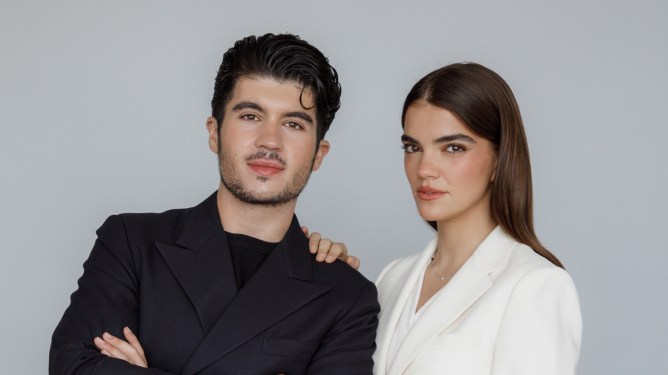
Celeste Amadon and Asher Allen were originally developing an app that used AI to book restaurants for dates. During this process, they stumbled upon a bigger idea focused on encouraging people to meet in person. This concept is now gaining traction with investors.
The pair created a voice-powered AI onboarding system for their app. This system helped them learn more about users without requiring them to fill out a form. They discovered that people loved to talk, which significantly increased the length of the onboarding session. The average time spent with the app during onboarding clocked 26 minutes. This discovery led to the birth of Known, a San Francisco-based dating startup.
The founders believe their approach allows them to understand someone well enough to suggest a date that makes sense. By doing this faster and with a lower rejection rate, they aim to create a user experience that gets people out on more dates.
Early results suggest they are on to something. In its San Francisco test phase, Known observed that 80 percent of its introductions led to physical dates, a rate much higher than typical swipe-based dating apps. Encouraged by these signals, the startup has raised 9.7 million dollars from investors including Forerunner, NFX, Pear VC, and Coelius Capital. Notably, this marks Forerunner’s first investment in a dating app.
A partner at Forerunner highlighted Celeste Amadon’s thoughtful understanding of the consumer mindset, particularly focusing on the young female demographic and their unspoken desires. The partner noted that while a conversation can draw out these nuances, accessing such insight historically required an expensive matchmaker.
Amadon has always been interested in social impact at scale and views dating as one of the biggest problems facing her generation. She cites the loneliness epidemic in the U.S. as a major issue. Amadon and Allen dropped out of Stanford to build the startup.
The app, currently in beta testing in San Francisco, uses voice AI-powered onboarding to ask users numerous questions without forms. This modality allows the startup to gather deeper insights about users to provide better matches. One user’s onboarding session lasted an hour and 38 minutes. The company found that when people type responses, they edit them, but voice makes the onboarding more personable. The AI can ask dynamic follow-up questions based on the conversation, such as asking someone new to a city what they like or dislike about their experience so far.
After onboarding, the AI suggests potential matches. Users can ask AI agents about those profiles and tap “interested” if they like someone. When two people match, they have 24 hours to accept the introduction and another 24 hours to agree to a date. This mechanism is designed to avoid lingering chats and ghosting while encouraging real-life meetings. After dates, users provide feedback to the AI, which then refines future match recommendations.
Known hasn’t completely abandoned the restaurant idea. The app also helps pick restaurants based on user preferences. Using AI chat and calendar integrations, users can share their availability for first dates. During the beta phase, the company charged 30 dollars per successful date, but the startup is not set on this price and will experiment with different payment models.
The startup currently has three full-time engineers and four people working on go-to-market, with several contractors across all areas. Amadon, whose background includes internships in politics, and Allen, who previously worked on product at an AI-powered shopping app, plan to grow the team with the new funding.
Known is testing in San Francisco and plans to launch early next year. Several other new startups are also using AI to learn more about users and find matches, aiming to offer matchmaker-like services at a lower cost. Established apps like Tinder, Bumble, and Hinge are also integrating AI features to engage users. Despite the growing competition, Amadon is encouraged. She believes the activity shows it is time to move away from the swipe-based model and notes that most other new products are quite different from what Known is building.