
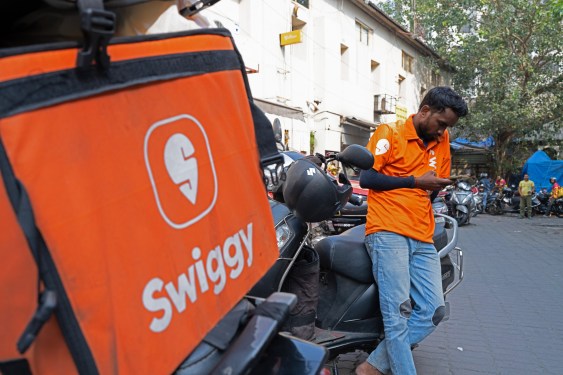
India’s labor ministry is urging the country’s rapidly growing quick-commerce sector to prioritize the wellness and safety of its gig workers. The minister of labor and employment, Mansukh Mandaviya, met with executives from Zomato’s BlinkIt, Swiggy’s Instamart, and Zepto. He asked them to drop marketing language promising deliveries within ten minutes and discussed ways to improve safety and working conditions for delivery personnel.
While the instant delivery model has struggled in other markets, it has expanded at an unprecedented rate in India over the past few years. Consumers in urban areas have grown accustomed to receiving everything from PlayStation 5 consoles to groceries within ten to fifteen minutes.
Companies like Zepto, BlinkIt, and Instamart have raised significant funding, investing hundreds of millions of dollars into establishing “dark stores.” These are strategically located warehouses that act as local hubs. These firms have also hired large numbers of delivery personnel as competition intensifies in the country’s e-commerce space.
Pressure on workers has increased alongside the sector’s growth. On New Year’s Eve, more than two hundred thousand gig workers staged protests across major Indian cities during the peak delivery period. The workers demanded legislative protection, social security benefits, better wages, and changes to automated penalty systems that reduce their ratings for late deliveries. Safety concerns have emerged as workers rush through traffic to meet tight deadlines. Industry experts note that ultra-fast delivery models materially change the risk and stress profile of gig work.
Following the worker protests and pressure from the labor ministry, BlinkIt has removed messaging promising ten-minute deliveries. Its rivals are also expected to follow suit.
This development comes shortly after India granted legal status to millions of gig and platform workers under new labor laws. The laws define such workers in statute and require aggregators, like food-delivery and ride-hailing platforms, to contribute between one and two percent of their annual revenue to a government-managed social security fund.
India’s gig economy employed approximately seven point seven million workers in the 2020-21 period. It is projected to reach twenty-three point five million workers by the 2029-30 period.