
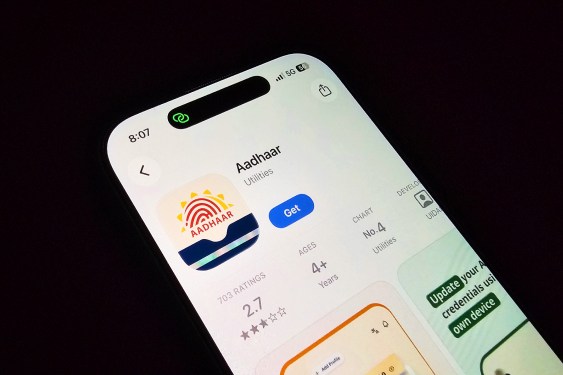
India is integrating Aadhaar, the world’s largest digital identity system, more deeply into everyday private life through a new app and an offline verification framework. This move raises significant questions about security, consent, and the broader use of the massive database.
Announced in late January by the government-backed Unique Identification Authority of India, the changes introduce a new Aadhaar app and an offline verification method. This offline system allows individuals to prove their identity without real-time checks against the central Aadhaar database. The app enables users to share limited information, such as confirming they are over a certain age without revealing their full date of birth, with various services. These services include hotels, housing societies, workplaces, and payment platforms. The existing mAadhaar app will continue to operate in parallel for now.
UIDAI is also expanding Aadhaar’s presence in mobile wallets, with upcoming integration into Google Wallet and discussions to enable similar functionality in Apple Wallet. Support already exists on Samsung Wallet.
The Indian authority is promoting the app’s use in policing and hospitality. The Ahmedabad City Crime Branch is the first police unit in India to integrate Aadhaar-based offline verification with PATHIK, a guest-monitoring platform for hotels and accommodations. UIDAI has also positioned the new app as a digital visiting card for meetings, allowing users to share selected personal details via a QR code.
Officials at the launch in New Delhi stated these efforts are part of a broader push to replace photocopies and manual ID checks with consent-based, offline verification. They argue this approach gives users more control over what identity information they share, while enabling verification at scale without querying the central database.
While UIDAI formally launched the new app last month, it had been in testing since earlier in 2025. Estimates show the app quickly overtook the older mAadhaar app in monthly downloads after appearing in app stores toward the end of 2025. Combined monthly installs of Aadhaar-related apps rose sharply from October to December.
The new app is being added to an identity system of enormous scale. Aadhaar has issued more than 1.4 billion identity numbers and handles roughly 2.5 billion authentication transactions monthly, alongside tens of billions of electronic know-your-customer checks. The shift toward offline verification extends this infrastructure, moving Aadhaar from a backend tool into a more visible, everyday interface.
At the launch, officials said offline verification aims to address risks associated with physical photocopies and screenshots of Aadhaar documents, which have often been collected and stored with little oversight. This expansion coincides with regulatory changes easing restrictions and a new framework allowing some organizations to verify Aadhaar credentials without querying the central database.
Civil liberties and digital rights groups say these legal changes do not resolve Aadhaar’s deeper structural risks. One expert argued the expansion into offline and private-sector settings introduces new threats, especially while India’s data protection framework is still being implemented. He questioned the timing of the rollout, suggesting the government should have waited for the Data Protection Board to be established first.
Indian legal advocacy groups point to unresolved implementation failures. They note that while UIDAI frames the app as a tool for empowerment, it does little to address persistent problems like database inaccuracies, security lapses, and poor redress mechanisms, which disproportionately affect vulnerable populations. A 2022 audit report found UIDAI had failed to meet certain compliance standards.
Campaigners argue the offline verification system risks reintroducing private-sector use of Aadhaar in ways the Supreme Court has already barred. They warn that enabling private entities to routinely rely on Aadhaar normalizes its use across social and economic life despite a 2018 court judgment. They state that consent in contexts like hotels or housing societies is often illusory, particularly while India’s data protection law remains largely untested.
Together, the new app, regulatory changes, and expanding ecosystem are shifting Aadhaar from a background utility into a visible layer of daily life that is increasingly hard to avoid. As India doubles down on Aadhaar, governments and tech companies are watching closely, attracted by the promise of population-scale identity checks. The Indian IT ministry and UIDAI CEO did not respond to requests for comment.