
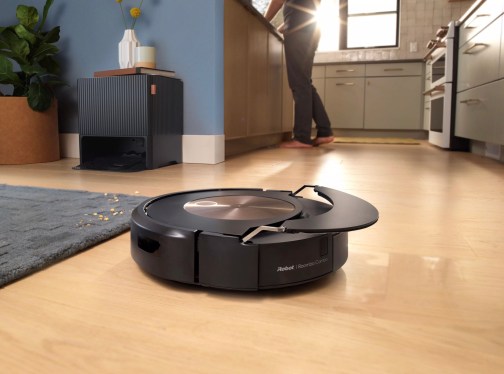
There is something painfully American about the arc of iRobot, the company that taught your vacuum to navigate around furniture. Founded in 1990 in Bedford, Massachusetts by MIT roboticist Rodney Brooks and his former students Colin Angle and Helen Greiner, the company filed for Chapter 11 bankruptcy on Sunday. This ended a 35-year run that took it from the dreams of AI researchers to your kitchen floor and, finally, to the control of its Chinese supplier.
Rodney Brooks, the founding director of MIT’s Computer Science and Artificial Intelligence Lab, spent the 1980s studying insects and having epiphanies about how simple systems could produce complex behaviors. By 1990, he had translated those insights into a company that would eventually sell over 50 million robots. The Roomba, launched in 2002, became the rare gadget that transcended its category to become a verb, a meme, and a cat-transportation device.
The money soon followed. The company raised $38 million altogether, including from The Carlyle Group, before going public in a 2005 IPO that raised $103.2 million. By 2015, iRobot was flush enough to launch its own venture arm. The plan was to invest in up to 10 seed and Series A robotics startups each year. It was the kind of move that marks a company’s arrival, the moment when you are successful enough to fund the next generation’s dreams.
Then came what looked like salvation. In 2022, Amazon agreed to acquire iRobot for $1.7 billion. It seemed like a fairy tale ending for the scrappy MIT spinoff. Except European regulators had other ideas. They believed Amazon could harm rivals by restricting access to its marketplace. Amid threats to block the deal, Amazon and iRobot agreed to kill it in January 2024. Amazon paid a $94 million breakup fee and walked away. Angle resigned, the company’s shares nosedived, and it shed 31% of its workforce.
What followed was a slow-motion collapse. Earnings had been declining since 2021 due to supply chain chaos and Chinese competitors flooding the market with cheaper robot vacuums. The Carlyle Group, which provided a $200 million lifeline in 2023, ultimately just prolonged the inevitable.
Now, the version of the company that existed previously is over. Shenzhen PICEA Robotics, iRobot’s main supplier and lender, will take control of the reorganized company. According to a release issued by iRobot, the restructuring plan allows it to remain as a going concern and continue operating normally with no anticipated disruption to its app functionality, customer programs, or product support. The company also vowed to meet its commitments to employees and make timely payments to vendors.
What this means for customers long-term is another question. iRobot promises to keep supporting existing products during restructuring, but its legal disclosures acknowledge the inherent uncertainties of bankruptcy. Even if iRobot eventually collapses and takes its cloud services down, customers’ Roomba vacuums will not become useless. The physical controls should keep working, allowing an owner to manually start a cleaning cycle.
What Roomba owners would lose is everything that makes the devices feel futuristic. This includes app-based scheduling, the ability to direct it to specific rooms, and the voice commands barked at Alexa from the couch.