
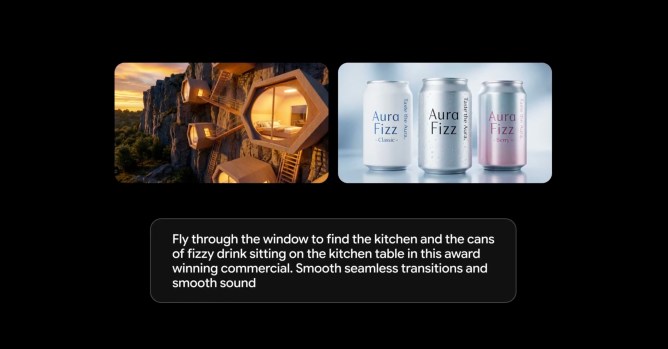
Google has updated its Veo 3.1 AI video generation model. The update introduces the ability to create native vertical videos specifically for social media platforms by using reference images. This change means videos made for YouTube Shorts, Instagram, or TikTok can now be generated in the 9:16 vertical format directly, eliminating the need for any cropping. Google is integrating this feature directly into the YouTube Shorts platform and the YouTube Create app.
The enhancements also make videos generated from reference images more expressive and dynamic. When users provide a reference image, Veo 3.1 now produces videos with better character expressions and movements, even from shorter text prompts. Google states the update improves consistency for characters, objects, and backgrounds throughout the video. Additionally, users can blend various characters, backgrounds, objects, and textures to create a cohesive final video.
These features are accessible to users directly within the Gemini app. Professional users can access them through Google’s video editor Flow, the Gemini API, Vertex AI, and Google Vids.
The new update also includes an improved upscaling feature for 1080p and 4K resolutions. This higher-quality upscaling is available on Flow, the Gemini API, and Vertex AI in Google Cloud.
Google first released Veo 3.1 in October 2025, which brought improved audio output and more granular editing controls compared to earlier versions.