
In a move that highlights the ongoing competition for elite artificial intelligence talent, Google DeepMind has entered into a licensing agreement with voice AI startup Hume AI. As part of the deal, Hume AI’s CEO, Alan Cowen, and approximately seven other top engineers will join DeepMind. Their focus will be on enhancing the voice features of Google’s Gemini AI.
The remaining portion of Hume AI will continue to operate independently, licensing its technology to other AI companies. While financial terms were not disclosed, Andrew Ettinger, an investor who has now taken over as Hume AI’s CEO, clarified the arrangement. He stated that Google has obtained a non-exclusive right to all of Hume’s intellectual property, which will be integrated into Google’s processes. Ettinger also noted that Hume AI plans to release new models soon and is projected to reach one hundred million dollars in revenue this year.
This type of agreement, often called an “acqui-hire,” represents a growing trend where major AI firms acquire a startup’s team rather than the entire company. This approach can sometimes attract less regulatory attention than a full acquisition. In a similar move last year, Google brought on the CEO and key researchers from the AI coding startup Windsurf. OpenAI has also acquired several startup teams in recent months, including those from Convogo and Roi. The Federal Trade Commission has recently indicated it will scrutinize such talent acquisition deals more closely.
The deal underscores that voice interaction is becoming a critical new frontier in artificial intelligence. Hume AI’s specialty is building models that can detect a user’s emotions and mood from vocal cues. The startup launched its Empathetic Voice Interface in 2024 and has raised nearly eighty million dollars to date.
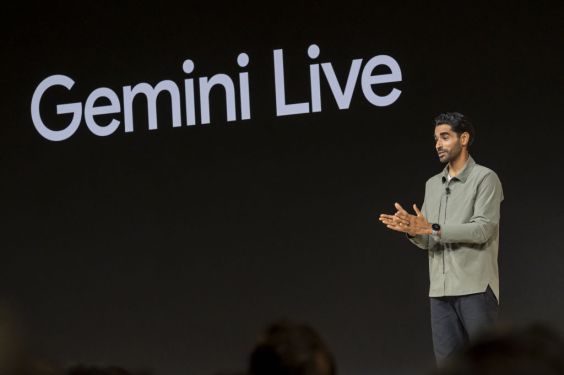
Google itself has been advancing its own voice capabilities, consistently improving its Gemini Live feature for conversational AI. Other industry giants are making significant investments in audio technology as well. OpenAI is reportedly overhauling its audio models for an upcoming audio-first device developed with Jonny Ive’s firm. Meta accelerated its audio push last year by acquiring startup Play AI, and its Ray-Ban smart glasses increasingly rely on voice for tasks like enhancing conversation clarity and enabling hands-free control.
Investor Vanessa Larco emphasized the importance of voice, stating it is the only acceptable input for wearables and that this acquisition will accelerate the need for voice applications. The market demand is clear; AI voice generation startup ElevenLabs recently announced it surpassed three hundred thirty million dollars in annual recurring revenue.
This article has been updated with comment from Hume AI.