
Google has announced a new open standard called the Universal Commerce Protocol (UCP) for AI agent-based shopping. The announcement was made at the National Retail Federation conference. Developed in collaboration with companies like Shopify, Etsy, Wayfair, Target, and Walmart, the standard enables AI agents to operate across different stages of the customer buying process, including product discovery and post-purchase support. The core idea is that a single protocol can facilitate these various steps instead of requiring separate connections to different specialized agents.
Google stated that UCP is designed to work alongside other agentic protocols, such as the Agent Payments Protocol announced last year, as well as Agent2Agent and Model Context Protocol. The company explained that both AI agents and businesses can select specific extensions of the protocol that best suit their needs.
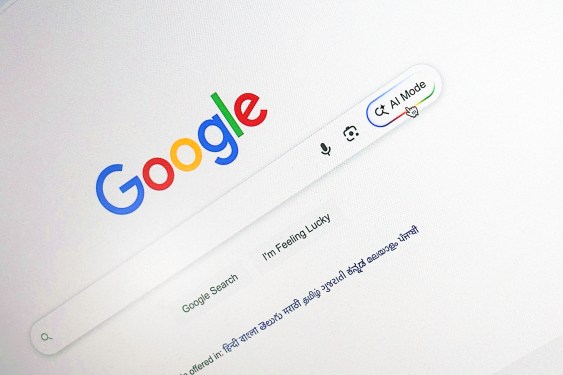
Google plans to soon implement UCP for eligible product listings within its AI search mode and Gemini apps. This integration will allow shoppers to check out directly from U.S.-based retailers while researching a product. Users will be able to pay with Google Pay and use shipping information saved in Google Wallet, with PayPal support coming soon.
Shopify CEO and founder Tobi Lutke expressed enthusiasm for the agentic approach, noting its ability to connect people with perfectly suited products they might not have searched for, creating a new kind of serendipity in commerce. Separately, Shopify also unveiled a similar shopping integration with Microsoft Copilot today.
In another consumer-facing update, Google will now let brands offer special discounts to users actively seeking product recommendations in AI mode. For example, during a detailed search for a specific rug, a brand could present a discount at that precise moment.
Google is also providing merchants with new data attributes in the Merchant Center to help them better feature their items within AI search surfaces. This move aligns with efforts by other companies, including PayPal and OpenAI, to improve product discoverability in AI chatbot results. Several startups are also working to help merchants surface their products within AI-generated answers.
Additionally, Google is allowing merchants to integrate an AI-powered Business Agent directly into their websites to answer customer questions. Retailers like Lowe’s, Michael’s, Poshmark, and Reebok are already using this tool. Competitors such as Meta and Shopify have also been exploring AI-powered tools for business customer support and outreach.
The search giant further announced Gemini Enterprise for Customer Experience, a suite designed to handle shopping and customer service for retailers and restaurants. This announcement is part of a broader industry trend, with companies like Google, Amazon, Walmart, and OpenAI all releasing new standards and products to integrate AI into every aspect of shopping for both consumers and merchants.
Earlier this month, Adobe reported that traffic to seller sites driven by generative AI grew by over 693% during the holiday season, though the report did not specify how much of that traffic converted into actual sales.