
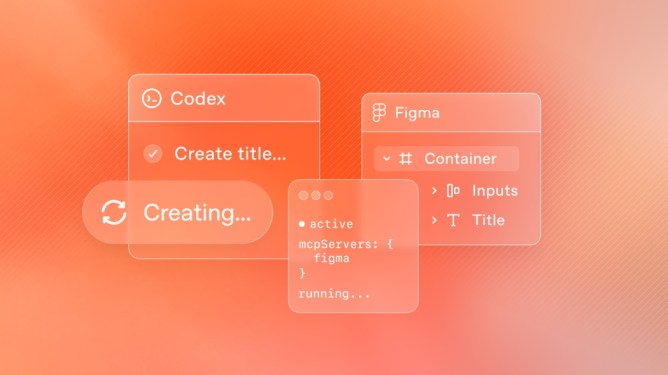
Figma is integrating OpenAI’s AI coding tool, Codex, to allow users to create and adjust designs directly from within their coding environments. This move follows a similar partnership the design company struck with Anthropic just a week prior to integrate Claude Code.
This new integration enables users to begin working on a design in Figma or on code in Codex, and seamlessly move between the two platforms using Figma’s Mobile Context Protocol server. Previously, users could only bring details from Figma design files, Figma Make, or FigJam into Codex for code-based implementation.
Figma’s chief design officer, Loredan Crisan, stated that with this integration, teams can build on their best ideas by combining the strengths of code with the creativity, collaboration, and craft of Figma’s infinite canvas.
Alexander Embiricos, Codex product lead, explained that the integration makes Codex powerful for a broader range of builders because it does not assume a person is solely a designer or an engineer first. Engineers can now iterate visually without disrupting their workflow, and designers can work closer to real implementation without needing to become full-time coders.
OpenAI first launched Codex as a command-line coding assistant last year to compete with Anthropic’s Claude Code. The company later integrated the coding tool into ChatGPT and, earlier this month, launched a dedicated MacOS app for Codex. This MacOS app was downloaded over a million times within its first week of release. Shortly after, OpenAI released two new Codex models. The company reports that over a million users are now using Codex on a weekly basis.
Figma has been a prominent partner for OpenAI and was among the first companies to launch an app inside ChatGPT back in October 2025.