
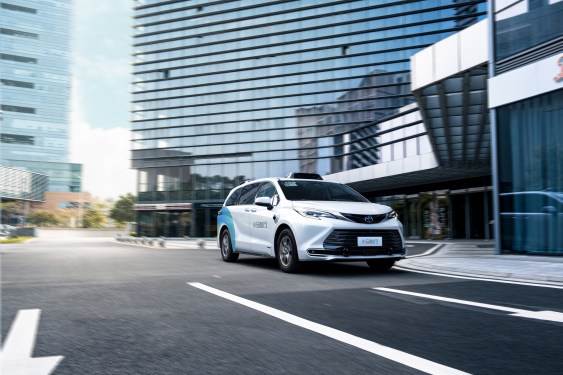
Chinese autonomous vehicle technology company Pony.ai announced on Tuesday its plan to triple the size of its robotaxi fleet by the end of next year. This move signals an acceleration in the company’s growth pace and its future ambitions.
The company currently operates about 961 robotaxis. During its third-quarter earnings report, Pony.ai stated it is targeting a fleet of 1,000 vehicles by the end of this year. Its subsequent goal is to surpass 3,000 vehicles by the end of 2026.
Pony.ai is publicly traded on the Nasdaq Exchange and the Stock Exchange of Hong Kong. This year, the company has focused on expanding its commercial operations. It now offers commercial, paid robotaxi services in the Chinese cities of Beijing, Shanghai, Guangzhou, and Shenzhen.
The company also has international expansion plans. Pony.ai is pushing into eight countries, including Qatar and Singapore. This global effort is being pursued through partnerships with local companies and ride-hailing platforms Bolt and Uber.
This expansion of robotaxi services has increased both revenue and costs. The company reported third-quarter revenue of 25.4 million dollars, a 72 percent increase from the 14.8 million dollars generated in the same period last year. Following the earnings report, shares of Pony.ai rose more than 6 percent on the Nasdaq.
The rise in revenue was driven by robotaxi services and licensing its technology to other companies. The Guangzhou-based company reported 6.7 million dollars in revenue from robotaxi services, 10.2 million dollars from its self-driving trucks called robotrucks, and 8.6 million dollars from licensing and application fees.
However, the company’s expenses continue to outpace its revenue. Pony.ai reported a net loss of 61.6 million dollars in the third quarter, a 46 percent increase compared to the same period in 2024.
As of September 30, Pony.ai had 587.7 million dollars in cash, cash equivalents, and short-term investments. This amount has decreased from 747.7 million dollars in the second quarter. The company said half of that decrease resulted from a one-off cash outflow, which included an investment into its joint venture with Toyota to support the production and deployment of its Gen-7 vehicle.