
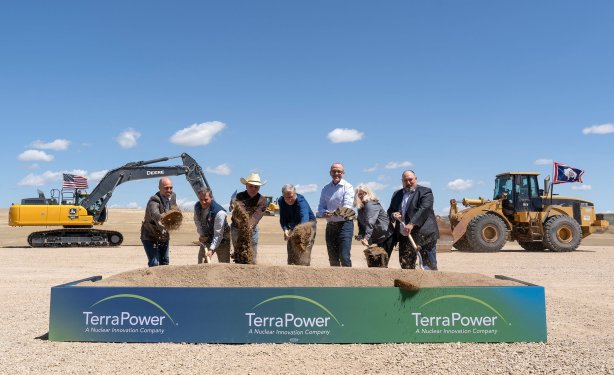
The Nuclear Regulatory Commission has granted TerraPower permission to construct a new nuclear reactor in Wyoming, near an aging coal power plant. This permit marks the first issued by the NRC in nearly a decade.
TerraPower, founded by Bill Gates in 2015 and backed by investors including Nvidia, has designed its Natrium reactor in partnership with GE Vernova Hitachi. The final plant will generate 345 megawatts of power. This output is about two-thirds smaller than modern full-size reactors but several times larger than many small modular reactor designs from other startups.
The Natrium reactor is distinct not only in scale but in its fundamental design. Unlike most nuclear reactors built over the last fifty years, which are cooled by water, Natrium uses molten sodium for cooling, a system TerraPower claims is safer. This approval represents the first time in over forty years that the NRC has approved a commercial reactor not cooled by conventional water.
The reactor will operate with an excess of molten sodium stored in large, insulated tanks. This design allows the nuclear reaction to continue during periods of low electricity demand, with the hot sodium storing the thermal energy. That stored heat can then be used to generate power, helping to fill gaps in output from wind and solar sources. Since nuclear plants operate most efficiently at full capacity, this thermal storage method aims to lower overall generating costs.
The NRC’s approval is significant because TerraPower followed the established permitting process for building on private property. Recent changes to safety rules by the Department of Energy, which apply only to agency-owned land, did not influence this particular project.
TerraPower is among several nuclear startups receiving backing from major technology companies or their founders. As electricity demand from data centers rises, there is growing pressure to expand generating capacity, including through new nuclear construction.
Investors are recognizing these trends, pouring well over one billion dollars into nuclear startups in recent months. TerraPower alone has raised a total of one point seven billion dollars, including a six hundred fifty million dollar funding round closed in June.
Despite this momentum, nuclear power continues to face significant challenges. It remains one of the most expensive forms of new electricity generation. This is partly due to cost overruns at large traditional plants and partly due to the dramatic cost reductions achieved by solar, wind, and battery technologies over the years.
Nuclear startups hope to control costs through mass manufacturing, but this approach is still unproven. While manufacturing can potentially reduce expenses, it often takes at least a decade for such savings to fully materialize.