
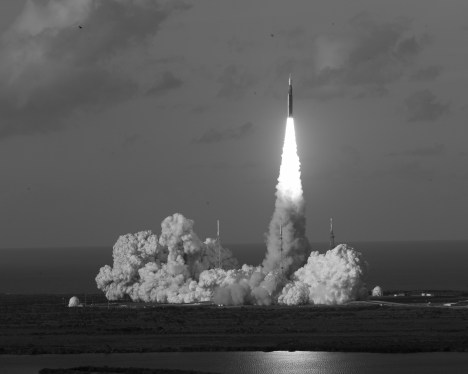
SpaceX launched its IPO on the same historic day the U.S. returned astronauts to the moon after 54 years. This timing is fitting, as it likely marks the last time NASA attempts a deep space mission without major help from venture-backed tech companies.
NASA’s current lunar program began under the Bush administration with the costly SLS rocket and Orion spacecraft. By 2010, budget overruns led NASA to also fund private orbital rockets. This move saved SpaceX and sparked a venture capital rush into space tech. The SLS, built by Boeing and Lockheed Martin, is now flying astronauts around the moon. Yet it has been expensive and delayed, unlike SpaceX’s reusable rockets.
For the next phase—landing boots on the moon—NASA turned to new private firms. SpaceX won a controversial 2021 contract to use its Starship as a lander. Blue Origin joined in 2023 to build a second lander. NASA now plans a 2027 test of Orion docking with these private landers, aiming for lunar landings in 2028.
Under new administrator Jared Isaacman, NASA has scrapped plans for a lunar space station and expensive SLS upgrades, betting fully on private companies. With China aiming for a 2030 lunar landing, any delays will carry geopolitical weight. This mission is Silicon Valley’s chance to prove it can still lead on the technology frontier.