
Last week, the U.S. administration reversed an earlier ban and officially approved the sale of Nvidia’s H200 chips, along with a chip line by AMD, to approved Chinese customers. While these may not be the chipmakers’ most advanced products, they are high-performance processors used for artificial intelligence, making the export decision controversial.
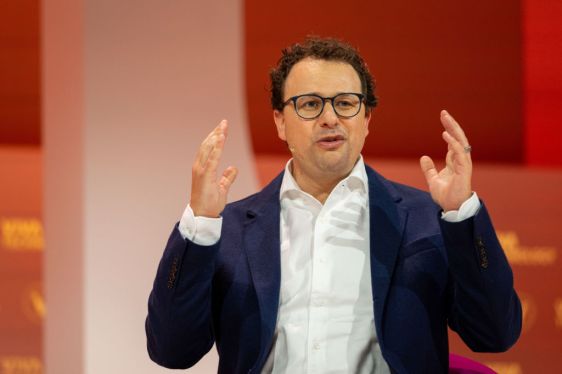
At the World Economic Forum in Davos on Tuesday, Anthropic CEO Dario Amodei sharply criticized both the administration and the chip companies over the move. This criticism was particularly notable because Nvidia is a major partner and investor in Anthropic.
Amodei expressed disbelief at the rationale behind the decision, referencing chip company CEOs who claim export restrictions hold them back. He warned the decision would come back to hurt the United States. He stated that America is many years ahead of China in chipmaking capability and argued it would be a big mistake to ship these chips.
He then outlined the high stakes, discussing the incredible national security implications of AI models that represent essentially cognition and intelligence. He likened future AI to a country of geniuses in a data center, imagining one hundred million people smarter than any Nobel Prize winner, all under the control of a single country.
This image underscored why he believes chip exports are so critical. He then delivered his strongest condemnation, saying of the administration’s latest move, “I think this is crazy.” He compared it to selling nuclear weapons to North Korea and bragging that Boeing made the casings.
Nvidia is not just another chip company to Anthropic. While Anthropic runs on servers from Microsoft, Amazon, and Google, Nvidia alone supplies the GPUs that power Anthropic’s AI models. Nvidia sits at the center of the AI ecosystem and recently announced an investment in Anthropic of up to ten billion dollars.
Just two months ago, the companies announced that financial relationship along with a deep technology partnership, promising to optimize each other’s technology. Yet at Davos, Amodei compared his partner to an arms dealer.
This may have been an unguarded moment where he got swept up in his own rhetoric. However, given Anthropic’s strong market position—having raised billions, being valued in the hundreds of billions, and with its Claude assistant highly regarded by developers—it seems more likely he spoke with confidence.
It is also possible Anthropic genuinely fears Chinese AI labs and wants Washington to act. Comparing the situation to nuclear proliferation is an effective way to get attention.
What is perhaps most remarkable is that Amodei could sit onstage at Davos, make such a provocative statement, and walk away without apparent fear of damaging his business. News cycles move on, and Anthropic is on solid footing. But it feels the AI race has grown so existential in the minds of its leaders that usual constraints like investor relations, strategic partnerships, and diplomatic niceties no longer apply. Amodei showed no concern for what he can or cannot say. That fearlessness may be the most significant thing he demonstrated.