
For more than a decade, Alphabet’s X moonshot factory has been quietly trying to fix one of the world’s most stubborn industries. It failed twice, but this time the industry itself is along for the ride.
On Thursday, X announced that Anori, its platform for streamlining the notoriously tangled process of getting buildings approved and built, has spun out as an independent company with 26 million dollars in funding. The round was led by Prologis, one of the world’s largest real estate owners, and Builders VC, a firm focused on construction technology. X’s dedicated spinout vehicle, Series X Capital, also participated. Astro Teller, the head of X, described the fundraise as not a particularly small deal.
Anori is X’s first spinout this year, following Taara, a wireless optical communications company, which spun out in March 2025. Previous X alumni include self-driving startup Waymo and Wing, which delivers Walmart packages by drone.
Teller says Anori is targeting the layer that comes before any design and modeling: the two to four years between when a developer decides to build something and when the first shovel hits the dirt. That window, called pre-development in industry parlance, is where projects go to bleed money and sometimes die.
He explained that everyone involved, from builders and designers to engineers, operators, insurers, and financiers, must communicate in a complex ring. A secondary ring includes all the state, city, and country-level rules about what can be built. Today, all those parties work sequentially. If an architect changes a design, everyone retreats to recalculate and reconvene months later. Then the whole package goes to the city, which can take another six months to a year to review. If something does not comply, the whole process starts over.
Teller stated that this is at least half of why buildings cost so much and nobody is getting what they want from the built environment.
Anori aims to shrink that process by getting all parties, including the city, on a unified platform from the start so compliance conflicts are surfaced within weeks instead of months or years. Its initial focus is three-to-six-story multifamily buildings of five to 100 units, a category Teller calls the most efficient way for people to live and one the world needs to build a huge amount of. Other projects like hospitals and particularly data centers are also on the table.
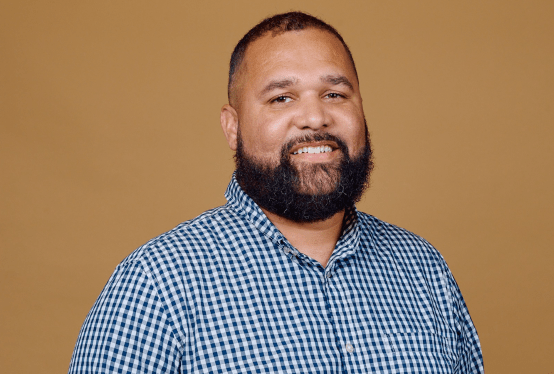
Adrian Walker, Anori’s CEO, said the company believes that by bringing transparency, coordination, and intelligence to the real estate development process, it can accelerate housing and commercial real estate projects. Walker spent over nine years at Ford Motor Company before working as a founder and investor in the Bay Area and joining X almost five years ago.
X itself has been here before. About 13 years ago, it spun out a company called Vannevar Technologies, later renamed Flux, that attempted something similar. Teller said they were just too early and had not solved the problem of getting buy-in. A second attempt, focused on factory automation for building components, never made it to market. Anori was founded inside the moonshot factory in the fall of 2023.
X’s standard industry outreach process provided the first signal that this time was different. Usually, experts say something like, “Interesting. Come find us when you’re ready.” This time, they did not. Teller recounted that they said, “No, no, we want in now.” Representatives from across the industry, including owner-operators like Prologis, large architecture firms, and major contractors, said they wanted to help build the product, not just be sold a finished one.
That dynamic is why X is pushing Anori out the door earlier than planned. Having industry players as investors rather than as future customers solves the classic chicken-and-egg dilemma: cities will use the platform if developers are on it, and developers will adopt it if cities require it. By making the industry’s biggest players stakeholders in Anori’s success, X has given them a financial incentive to make it work.
That same logic explains Anori’s first major partnership. Rio de Janeiro has signed on to modernize its urban licensing process using the platform. The city’s mayor, Eduardo Paes, had already made permitting reform a priority. No building has yet been approved through Anori’s platform.
Anori is the newest member of what Teller dubs the extended X family. Taara participated in the Rio partnership alongside Anori, as did Tapestry, which is building an AI-powered platform to manage the electrical grid, and Materra, which uses AI to improve plastic recycling. Teller said the arrangement came from Rio’s mayor, who wanted to bring in a whole bunch of moonshots.
X will hold a board observer seat at Anori. The Series X Capital fund, run by former YouTube and Facebook CFO Gideon Yu, was designed to ensure spinouts land outside the Alphabet corporate structure. The tech giant is only a minority investor in the young fund.
In all likelihood, Anori will not be the last company X spins off this year. Teller says he expects X to graduate roughly two companies each year going forward, based on the numerous projects his team is juggling. He noted that it will be lumpy.