
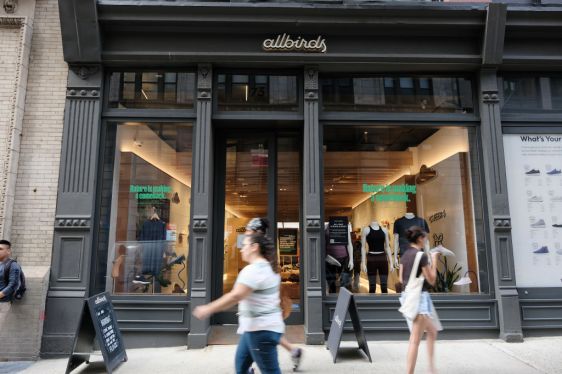
If the final San Francisco Allbirds store closes its doors and no one is around to hear them shut, did it make a sound? Once symbolic of a mid-2010s San Francisco tech worker, the shoe brand Allbirds is closing almost all of its physical stores by the end of February. Just two outlet stores in the United States and two full-price stores in London will remain.
Allbirds CEO Joe Vernachio stated this is an important step for the company as it drives toward profitable growth under its turnaround strategy. He explained they have been reducing their brick-and-mortar portfolio over the past two years and that exiting these remaining unprofitable locations will reduce costs and support the long-term health of the business.
The typical Allbirds wearer knows this kind of corporate language often means the current financial outlook is not great. Allbirds was founded in San Francisco in 2015 and quickly became the popular shoe among startup employees. The shoes are admittedly quite comfortable, but their style was embraced in a way that prioritized function over fashion. They are like Skechers, embracing comfort above all else, but at a higher price point.
Like the companies its customers probably work for, Allbirds raised significant venture capital and achieved a high valuation, only to go public in 2021 and struggle afterward. The company’s market capitalization is now about thirty-two million dollars, and its stock trades at just a few dollars per share.
This is not quite the end of the Allbirds era. The shoes remain available online, and while expensive, they are genuinely good shoes. But perhaps it marks the end of an era in which working in tech seemed like a ticket to lifelong stability. Now, your company might only afford branded apparel if you work in artificial intelligence, and even then, you might feel an undercurrent of anxiety that the current boom could fade.
Perhaps this anxiety is fueling the next era of Silicon Valley style, where everything is optimized for efficiency. Tech workers now wear rings to track biometric data, log nutritional details on apps, and eat specific high-protein meals.
In that light, maybe it makes sense that people feel a sense of nostalgia for 2016.