
In just about a week, iRobot, Luminar, and Rad Power Bikes all filed for bankruptcy. They are very different companies selling Roombas, lidar, and e-bikes, respectively. However, they faced some similar challenges, including tariff pressures, major deals that fell through, and a failure to establish themselves beyond the products that first made them successful.
Rad Power Bikes is large for an e-bike company but still niche in most people’s minds. Founded a long time ago, it became popular even before the pandemic and was considered an industry leader in quality, branding, and customer connection. The company rode a high wave during the pandemic as micromobility took off. Bankruptcy filings show revenue of well over $100 million in 2023, which fell to about $100 million last year and to $63 million this year, indicating a significant decline. Despite a diverse product lineup, Rad Power never really found a way to establish a firm foothold.
Similar patterns emerge with the other two companies. Luminar was founded in the early 2010s and came out of stealth in 2017 with a mission to make expensive lidar sensors affordable for autonomous vehicles. This led to deals with companies like Volvo and Mercedes Benz. However, the company remained heavily concentrated in that single application, which contributed to its filing.
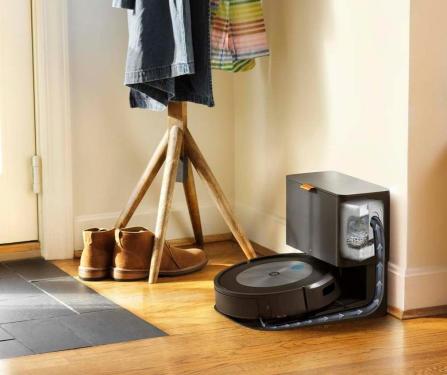
iRobot is the most well-known of the three, with many people owning a Roomba. The company became synonymous with robotic vacuums but found that advances in technology moved quickly. iRobot was looking for a way out and attempted to get acquired by Amazon, but that deal was blocked by the FTC.
While these companies are different, they all ran into similar problems. One point of discussion is the impact of tariffs on their bottom lines. There is a narrative on social media that FTC blockings of mergers lead to companies going bankrupt or being acquired by foreign firms. In the case of iRobot, it represents a macro global trade problem. It likely could not have been built in the United States with a localized supply chain over the last 15 years, leading to heavy reliance on China. This reliance may have allowed other companies to copy its products. Past tariff changes have similarly hit startups in the micromobility space. For Rad Power, a major battery recall was a significant final blow, but tariff issues created an uneven footing that made it harder to respond to such crises.
Often when a company fails, there are larger structural issues and a more immediate proximate issue. For iRobot, many point to the blocked Amazon deal from a few years ago as the dagger that eventually killed the company. However, that narrative may ignore the other factors that caused the company to seek an acquisition in the first place.